
Understanding Niacin Needs
It is common to confuse the nutrient Niacin (Vitamin B3) with the specific supplement brand "B3 Daily." While B3 Daily is one popular way to consume this vitamin, it is not the only option, nor is it the only definition of Niacin. This guide focuses on the broader category of high-quality Niacin supplements available in 2026, helping you choose the right product for your needs.
Niacin is a water-soluble B vitamin that your body naturally produces. It plays a critical role in converting food into energy and maintaining the health of your nervous system, digestive system, and skin Mayo Clinic. Because your body cannot store it for long periods, maintaining adequate levels through diet or supplementation is important for overall wellness.
The Recommended Dietary Allowance (RDA) for adults over 19 is 16 mg NE (Niacin Equivalents) for men and 14 mg NE for women. Pregnant and lactating women have slightly higher requirements at 18 mg and 17 mg NE, respectively Harvard Nutrition Source. When selecting a supplement, it is essential to understand these baselines to avoid under-dosing or unintentionally exceeding safe limits.
While Niacin is generally safe, high doses can cause side effects. The most common is the "niacin flush," a temporary reddening of the skin and itching sensation. At very high doses, particularly with sustained-release formulations, there is a risk of liver damage. Always consult a healthcare provider before starting any new supplement regimen, especially if you have existing health conditions.
Calculate your daily intake
Niacin (vitamin B3) is water-soluble, meaning your body flushes out what it doesn't need. However, this safety net has limits. While the Recommended Dietary Allowance (RDA) for most adults sits between 14 and 16 mg daily, therapeutic doses for cholesterol management often exceed 1,000 mg. This gap between maintenance and therapy is where risks emerge.
High-dose niacin therapy requires medical supervision. Doses above 2–3 grams daily can cause serious complications, including liver damage and elevated blood sugar. The "flush"—a harmless but uncomfortable redness and itching of the skin—is a common side effect even at moderate doses. Start with lower doses and seek professional advice before exceeding standard dietary amounts.
Use the calculator below to estimate your baseline needs based on age, gender, and health goals. This tool provides general guidance based on official NIH and Harvard Nutrition Source data. It is not a prescription. For therapeutic use, strictly follow your doctor's dosage instructions.
Top niacin supplements for 2026
Selecting the right niacin supplement comes down to form and purity. Niacin (nicotinic acid) is the form most often studied for cholesterol support, but it causes a temporary flushing sensation. Niacinamide does not cause flushing and is better suited for general wellness or skin health. Always check the label to ensure the product contains the specific form you intend to use.
Quality matters when supplementing. Look for brands that undergo third-party testing to verify potency and purity. Independent certifications from organizations like USP or NSF provide assurance that what is on the label is actually in the capsule.
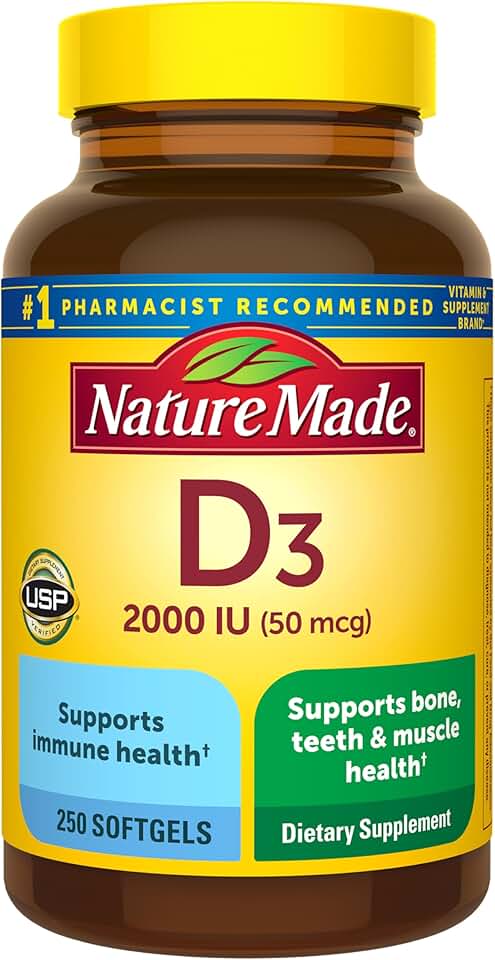
Below are some of the most popular niacin supplements available. These options represent common choices in the market, ranging from standard nicotinic acid to niacinamide formulations.


As an Amazon Associate, we may earn from qualifying purchases.
When choosing between these products, consider your tolerance for flushing and your specific health goals. Starting with a lower dose can help you assess how your body reacts. Seek professional medical advice if you have pre-existing conditions.
Compare niacin forms and benefits
Choosing between niacin forms involves balancing efficacy against side effects. Nicotinic acid is effective for lipid management but causes flushing. Niacinamide is gentle on the skin and stomach but lacks the same cholesterol-lowering data. Inositol hexanicotinate is marketed as a "flush-free" niacin, though evidence for its efficacy is mixed. Evaluate your primary goal—lipid management or general wellness—to determine which form aligns with your needs.
| Factor | What to check | Why it matters |
|---|---|---|
| Form | Nicotinic Acid vs. Niacinamide | Determines likelihood of flushing and primary use case. |
| Purity | Third-party certification (USP/NSF) | Ensures label accuracy and absence of contaminants. |
| Dosage | Milligram strength per serving | Impacts cost-effectiveness and ease of reaching target intake. |
Safety Risks and Side Effects
Niacin is a powerful nutrient, but it behaves more like a medication than a simple vitamin when taken in therapeutic doses. While the "niacin flush"—a temporary reddening and itching of the skin—is the most common reaction, it is not the only concern. High-dose supplementation, particularly sustained-release formulations, carries significant risks that require careful management and professional oversight.
The most serious risk associated with high-dose niacin is liver toxicity. Extended-release products can cause elevated liver enzymes, jaundice, and in rare cases, liver failure. This risk is not just theoretical; it is a documented side effect that makes medical supervision essential for anyone taking more than 1,000 mg per day. Additionally, high doses can interfere with glucose metabolism, potentially worsening blood sugar control in individuals with diabetes or pre-diabetes.
Beyond liver and metabolic concerns, gastrointestinal issues such as nausea, vomiting, and stomach upset are frequent complaints. If you experience persistent stomach pain or unusual fatigue, these may be early signs of liver stress. Contact a medical professional if you experience these symptoms during supplementation.
Common questions about B3
Users often search for quick answers regarding niacin safety and effectiveness. Below are direct responses to frequent queries about side effects, dosage, and health impacts.
What is the downside of B3?
The most common side effect is "niacin flush," a temporary reddening and itching of the skin. Beyond this, high doses can cause gastrointestinal issues like nausea, vomiting, and diarrhea. Sustained-release formulations at very high doses carry a risk of liver damage (hepatotoxicity), which may present as elevated liver enzymes or jaundice [1].
Can niacin lower cholesterol?
Yes, niacin can raise HDL (good) cholesterol and lower LDL (bad) cholesterol and triglycerides. However, recent clinical guidelines suggest it may not significantly reduce heart attack or stroke risk when added to statin therapy. Always consult a doctor before using niacin for cholesterol management, as the risks often outweigh the benefits for many patients [2].
What is the safe daily limit for niacin?
The Tolerable Upper Intake Level (UL) for adults is 35 mg per day from supplements and fortified foods to prevent flushing and liver stress. Medical supervision is required for therapeutic doses used for cholesterol, which can range from 1,000 mg to 3,000 mg daily. Never exceed recommended limits without professional guidance [3].
Is niacin good for skin?
Topical niacinamide (a form of B3) is widely used in skincare to improve barrier function, reduce redness, and minimize pore appearance. Oral niacin is less commonly used for skin health unless treating specific deficiencies or conditions like pellagra. For general skincare, topical applications are generally preferred over high-dose oral supplements.
No comments yet. Be the first to share your thoughts!