

What B3 Daily Supplements Do
B3 Daily 2026 formulations center on niacin, also known as vitamin B3, an essential nutrient that supports energy production, skin health, and cardiovascular function. Your body converts niacin into coenzymes called NAD and NADP, which drive hundreds of metabolic reactions. Without adequate niacin, cells struggle to turn food into usable energy, leading to fatigue and metabolic inefficiency.
Beyond energy, niacin plays a critical role in maintaining healthy cholesterol levels. It helps manage low-density lipoprotein (LDL) and raises high-density lipoprotein (HDL), supporting overall heart health. Additionally, niacin contributes to DNA repair and cellular signaling, which are vital for maintaining healthy skin and nerve function. These combined benefits make niacin a cornerstone supplement for holistic wellness.
The Recommended Dietary Allowance (RDA) for adults is 16 mg NE for men and 14 mg NE for women, though supplement doses often vary. When selecting a B3 Daily 2026 product, consider your specific health goals, whether they focus on metabolic support, skin clarity, or cardiovascular maintenance. Understanding these core functions helps you choose a supplement that aligns with your daily nutritional needs.
Top B3 Daily Picks for 2026
Finding the right B3 Daily 2026 supplement means matching the specific form of vitamin B3 to your tolerance for flushing and your daily health goals. Whether you need the cholesterol-supporting properties of nicotinic acid or the cellular-energy benefits of niacinamide, the market offers distinct options. Below are the standout choices for this year, selected for purity, dosage accuracy, and value.
Daily Manufacturing Niacin (Vitamin B3)
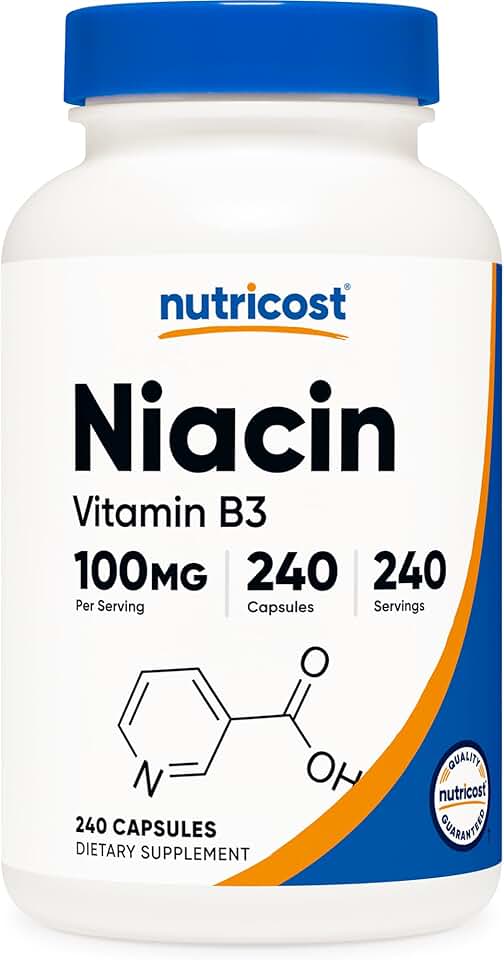
Daily Manufacturing offers a straightforward, no-frills option for those seeking standard nicotinic acid. Each tablet delivers 100 mg of niacin alongside 56 mg of calcium, providing a balanced entry point for daily supplementation. The formula is gluten-free, soy-free, and vegan, making it suitable for a wide range of dietary restrictions. With 200 tablets per bottle, this option provides excellent longevity and cost-efficiency for consistent users.
Unimedica Flush-Free Niacin
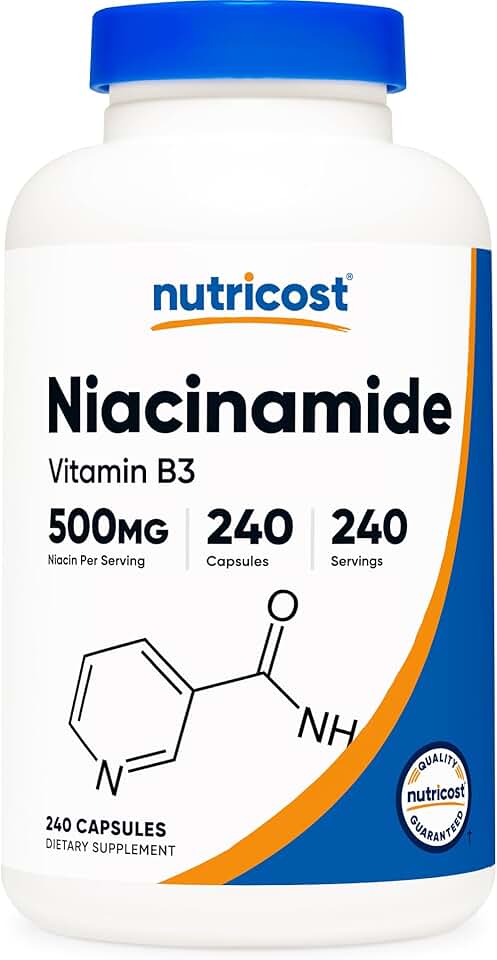
For those sensitive to the vasodilation effects of traditional niacin, flush-free alternatives are essential. Unimedica’s 500 mg capsules offer a high-potency option designed to deliver the benefits of B3 without the uncomfortable skin flushing response. This formulation is ideal for individuals prioritizing cellular health and energy metabolism without the vascular side effects. The 90-capsule bottle provides a solid monthly supply for sustained use.
Comparison of Key B3 Specifications
| Brand | Form | Dosage per Unit | Key Feature |
|---|---|---|---|
| Daily Manufacturing | Nicotinic Acid | 100 mg | Vegan, 200 count |
| Unimedica | Flush-Free | 500 mg | High potency, no flush |
Amazon Product Grid

As an Amazon Associate, we may earn from qualifying purchases.
Choosing the Right Form
The primary decision when selecting a B3 Daily 2026 supplement is between nicotinic acid and niacinamide. Nicotinic acid is the traditional form associated with cardiovascular benefits but often causes a temporary "flush" or reddening of the skin. Niacinamide, on the other hand, does not cause flushing and is often preferred for skin health and general metabolic support. If you are new to supplementation, starting with a lower dose of nicotinic acid or switching directly to niacinamide can help you assess your body's response without discomfort.
Safety Considerations
While B3 is water-soluble and generally safe, high doses can lead to gastrointestinal issues such as nausea or stomach upset. More seriously, sustained-release formulations taken in very high doses have been linked to liver damage. It is crucial to adhere to recommended dosages and consult a healthcare provider before starting any new supplement regimen, especially if you have pre-existing liver conditions or are taking other medications.
Niacin Dosage and Safety
Understanding the right amount of B3 is the difference between a healthy boost and a trip to the emergency room. The Recommended Dietary Allowance (RDA) for most adults is relatively low: 16 milligrams for men and 14 milligrams for women. This baseline covers basic metabolic needs, not the higher doses often discussed in longevity circles.
When you look at high-dose supplementation, the margin for error shrinks. Doses above 2 grams daily can cause serious health problems that require medical monitoring. At these levels, niacin is no longer just a vitamin; it is a potent pharmacological agent.
Side Effects and Toxicity
The most common immediate reaction is the "niacin flush," a harmless but intense reddening of the skin caused by blood vessel dilation. While uncomfortable, it is not dangerous. However, gastrointestinal issues like nausea and stomach upset are also common at moderate doses.
The real danger lies in liver toxicity. Sustained-release formulations, particularly at high doses, carry a risk of hepatotoxicity. This can manifest as elevated liver enzymes, jaundice, or even liver failure. Because of this risk, high-dose niacin therapy should never be attempted without professional supervision.
Safe Limits and Monitoring
To stay safe, keep your intake below the Tolerable Upper Intake Level (UL) of 35 milligrams per day for over-the-counter supplements. This limit is set to prevent the flush and mild liver stress. If you are considering therapeutic doses for cholesterol management, you must work with a doctor who can monitor your liver function through regular blood tests.
Always start with the lowest effective dose. Your body needs time to adjust. Rushing into high doses increases the likelihood of adverse reactions without guaranteeing additional benefits.
Common Niacin Side Effects
When choosing a B3 Daily 2026 supplement, understanding the potential downsides is just as important as knowing the benefits. The most immediate and noticeable side effect is the "niacin flush." This reaction is caused by nicotinic acid, the form of niacin that is most effective for lowering cholesterol but also triggers a release of histamine and prostaglandins. The result is a temporary reddening of the skin, often accompanied by a warm or tingling sensation, particularly on the face, chest, and arms. While harmless, the flush can be uncomfortable and startling for first-time users.
Beyond the flush, high doses of niacin can lead to gastrointestinal issues. Some users report nausea, vomiting, diarrhea, or general stomach upset. These symptoms are often dose-dependent and may decrease as your body adjusts to the supplement. However, it is crucial to distinguish between these mild side effects and more serious risks associated with long-term, high-dose therapy.
At very high doses, particularly with sustained-release formulations, there is a risk of liver damage (hepatotoxicity). This can manifest as elevated liver enzymes, jaundice, or in severe cases, liver failure. For this reason, high-dose niacin therapy should always be monitored by a healthcare provider. If you are considering a B3 Daily 2026 regimen for cholesterol management, start with the lowest effective dose and watch for any adverse reactions. If you experience persistent stomach pain, dark urine, or yellowing of the skin or eyes, stop taking the supplement and seek medical attention immediately.
Niacin supplement: what to check next
Understanding how B3 Daily 2026 niacin interacts with your body helps you choose the right form and dose. While niacin is essential for health, taking it in supplement form requires awareness of specific side effects and timing.
No comments yet. Be the first to share your thoughts!