
What is niacin and why take it
Niacin, also known as Vitamin B3, is an essential nutrient that your body needs to function correctly. Unlike the fictional "B3 Daily" brokerage services that sometimes share this acronym, niacin has nothing to do with finance. It is a water-soluble vitamin belonging to the B-complex family, playing a critical role in converting the food you eat into energy. Your body cannot produce niacin on its own, so you must obtain it through diet or supplementation.
The primary biological role of niacin involves the creation of two coenzymes: nicotinamide adenine dinucleotide (NAD) and NAD phosphate (NADP). These molecules are fundamental to cellular health, participating in over 400 enzymatic reactions. They help repair DNA, regulate hormone levels, and support the nervous system. Without adequate niacin, these processes slow down, leading to fatigue and metabolic inefficiency.
Niacin also supports skin health and digestion. It helps maintain the integrity of the skin and mucous membranes, which act as barriers against infection. Additionally, it aids in the proper functioning of the digestive tract and nerves. While your body typically gets enough niacin from a balanced diet, some individuals choose to supplement to address specific deficiencies or support metabolic health.
Daily Requirements and Sources
The recommended daily allowance for niacin varies by age and sex. According to the National Institutes of Health, adult men need approximately 16 mg of niacin daily, while adult women require about 14 mg. Pregnant or breastfeeding women may need slightly more to support both themselves and their infants.
Good dietary sources include meat, fish, poultry, mushrooms, peas, and nuts. Grains are often fortified with niacin as well. For those who struggle to meet their daily needs through food alone, niacin supplements are widely available. However, it is important to choose high-quality supplements and consult a healthcare provider before starting any new regimen.
Science-backed health benefits
Niacin, also known as vitamin B3, is essential for converting food into energy. Beyond basic metabolism, research highlights three primary areas where niacin offers significant health advantages: cholesterol management, skin protection, and brain health.
Cholesterol and Heart Health
Niacin is one of the most well-studied supplements for improving lipid profiles. According to the Cleveland Clinic, niacin can raise HDL ("good") cholesterol while lowering LDL ("bad") cholesterol and triglycerides. WebMD notes that these improvements may help slow the progression of certain types of heart disease. However, because high doses can cause side effects, medical supervision is recommended before starting niacin for cardiovascular support.
Skin Protection
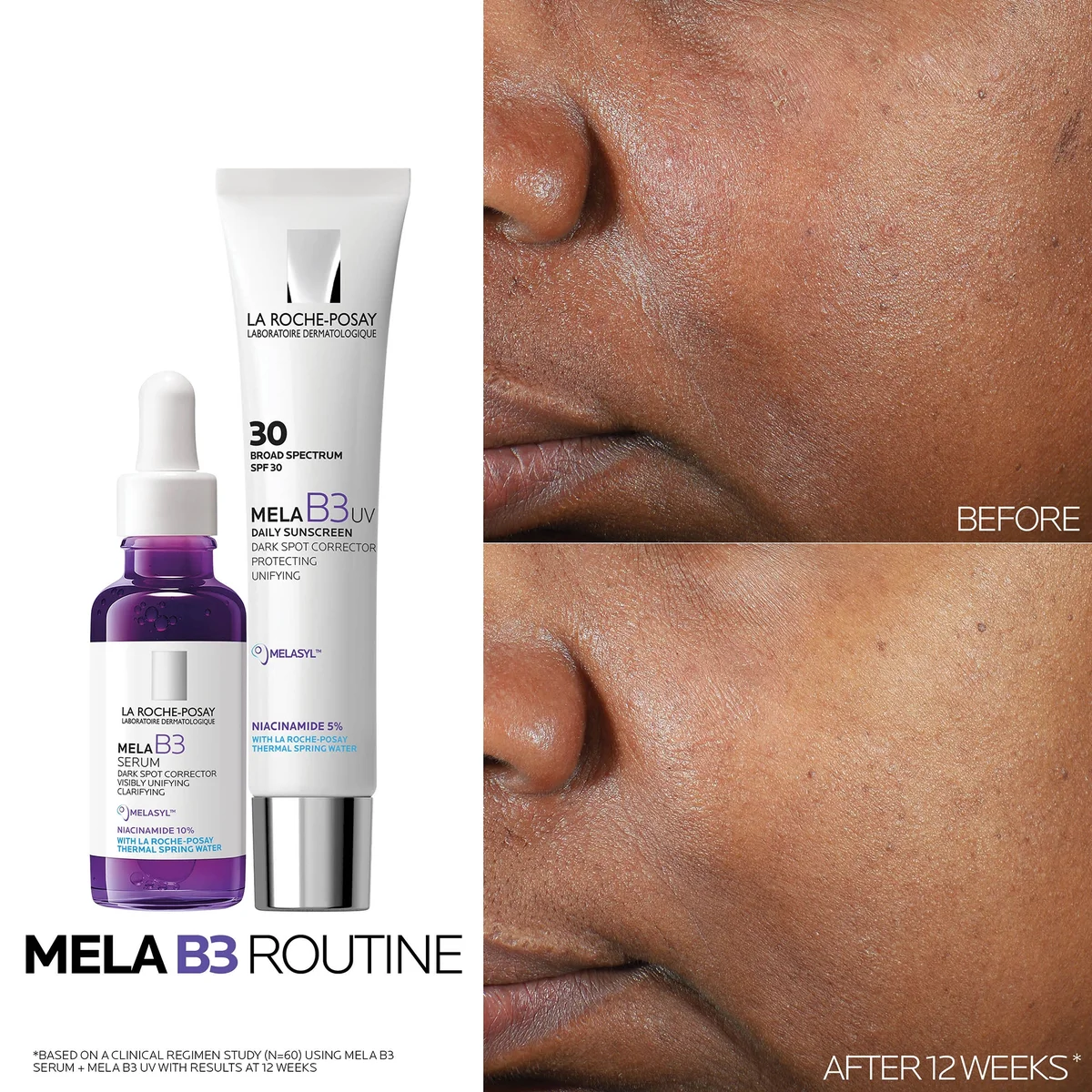
Niacinamide, a form of niacin, plays a critical role in maintaining skin barrier function. Recent studies suggest it may help protect against skin cancer, particularly in individuals at high risk. It also reduces inflammation and improves elasticity, making it a staple in dermatological routines. The following image illustrates a typical niacinamide product used for these topical benefits.

Brain Health and Cognitive Function
Emerging research indicates that niacin supports brain health by promoting healthy blood flow and reducing oxidative stress. Healthline reports that adequate niacin intake may help boost brain function and ease symptoms of neurodegenerative conditions. While more clinical trials are needed, maintaining sufficient B3 levels is considered a foundational step for long-term cognitive vitality.
Safe dosage and deficiency risks
Getting your daily niacin intake right means balancing two opposing risks: not getting enough to prevent deficiency, and taking too much, which can stress the liver. The Recommended Dietary Allowance (RDA) varies by age and sex. For infants, the requirement is 5 to 6 mg daily. Children need between 9 and 13 mg. Adults require 13 to 20 mg per day, depending on gender and life stage. These amounts are easily met through a balanced diet containing meat, fish, and whole grains.
When niacin levels drop too low, the body develops pellagra, a severe deficiency disease characterized by the "four Ds": dermatitis, diarrhea, dementia, and eventually death if untreated. While rare in developed countries due to food fortification, it can still occur in people with alcoholism, certain digestive disorders, or restrictive diets. Maintaining adequate intake prevents this serious condition.
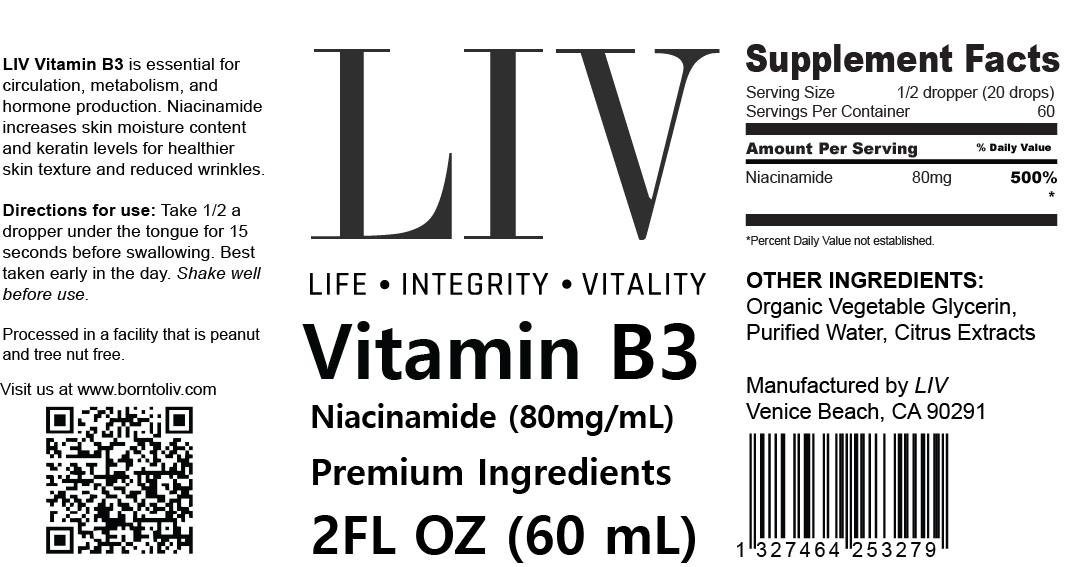
On the other end of the spectrum, excessive niacin intake poses significant health risks. Doses exceeding 1,500 mg daily are associated with serious adverse effects, including worsening glycemic control and liver toxicity. Even moderate high doses can cause flushing, itching, and gastrointestinal distress. Always stick to recommended limits unless a healthcare provider prescribes higher doses for specific medical conditions like high cholesterol.
Side effects and safety warnings
While niacin is essential for health, the margin between a beneficial dose and a harmful one is narrower than many assume. Most people tolerate standard dietary amounts without issue, but high-dose supplementation—often used to manage cholesterol—carries significant risks that require medical supervision.
The most common immediate side effect is flushing, a sensation of warmth and redness in the face and upper body. This occurs because niacin causes blood vessels to dilate. While often harmless, it can be uncomfortable and may lead some users to stop taking the supplement. More serious concerns involve liver toxicity and metabolic changes. High doses can stress the liver, potentially leading to elevated liver enzymes or, in severe cases, liver damage. Additionally, niacin can interfere with glucose metabolism, raising blood sugar levels and potentially worsening glycemic control in individuals with diabetes or prediabetes.
Because of these potential interactions and risks, it is critical to consult a healthcare provider before starting high-dose niacin. It can interact with various medications and affect blood sugar regulation. Never self-prescribe high doses without professional guidance.
If you are considering niacin supplementation for general health, lower-dose options are widely available. For those seeking reputable brands, here are some highly rated choices.


As an Amazon Associate, we may earn from qualifying purchases.
Best niacin supplements in 2026
Choosing the right niacin supplement depends on whether you are targeting skin health with niacinamide or cardiovascular support with immediate-release niacin. The market offers various forms, from standard capsules to specialized topical blends. We recommend consulting a healthcare provider before starting any new regimen, especially if you have pre-existing conditions or take medications like statins.
Top-Rated Niacin Products
The following Amazon products represent popular choices for daily B3 intake. These items are selected based on availability and general consumer interest rather than independent clinical efficacy testing. Always check the label for the specific form of niacin (nicotinic acid vs. niacinamide) to ensure it aligns with your health goals.

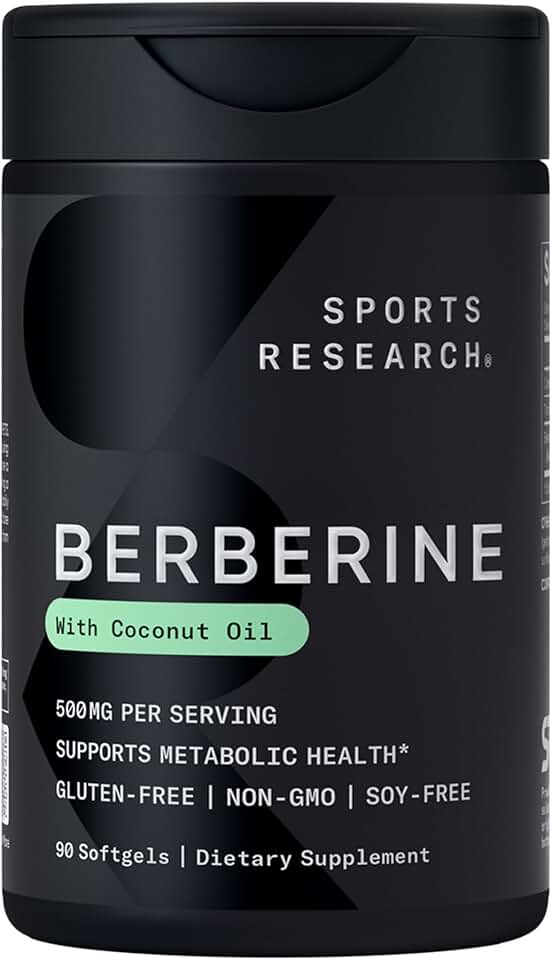
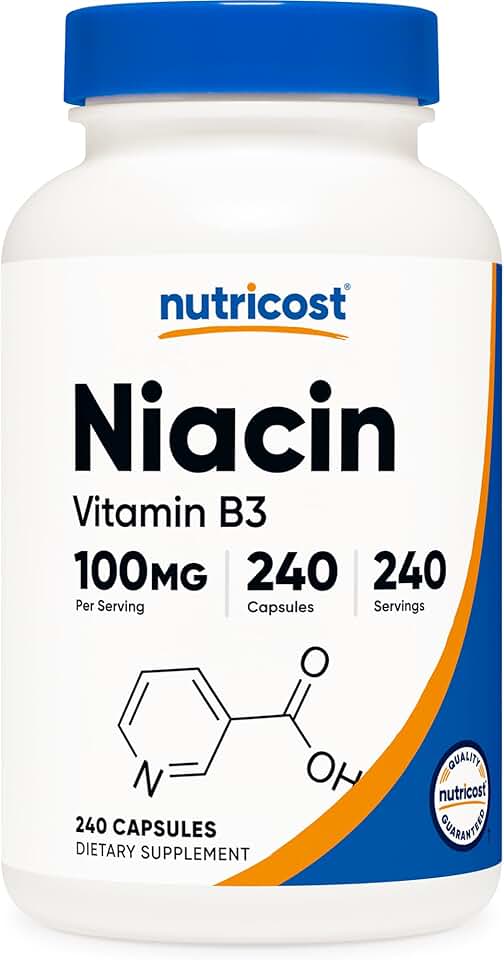
As an Amazon Associate, we may earn from qualifying purchases.
Comparison of Key Attributes
When evaluating niacin supplements, the primary differentiator is the chemical form and the resulting physiological effect. Immediate-release niacin can cause flushing, while niacinamide does not. The table below highlights the general characteristics of common supplement types found in 2026.
| Form | Primary Effect | Common Side Effects |
|---|---|---|
| Niacin (Nicotinic Acid) | Cholesterol management | Skin flushing, itching |
| Niacinamide | Skin barrier support | Generally none at low doses |
| Inositol Hexanicotinate | Mild circulation support | Minimal flushing |
Common questions about niacin
Niacin (vitamin B3) is a potent nutrient that plays a critical role in metabolism and cardiovascular health, but it often comes with specific side effects and usage nuances that users need to understand. Below are the most frequently asked questions regarding its safety, types, and effects.
KeyTakeaways items=["Niacin causes flushing due to vasodilation, while niacinamide does not.", "Niacin effectively lowers cholesterol but requires medical supervision at high doses.", ""B3 Daily" refers to routine intake; safety depends on dosage and form."]

No comments yet. Be the first to share your thoughts!