
Why B2B AI agents matter in 2026
The B2B landscape is shifting from simple automation to autonomous AI agents in 2026. This transition moves beyond rule-based tasks to strategic workflows that adapt to real-time data. Companies are no longer just digitizing processes; they are deploying digital workforces that operate with minimal human intervention.
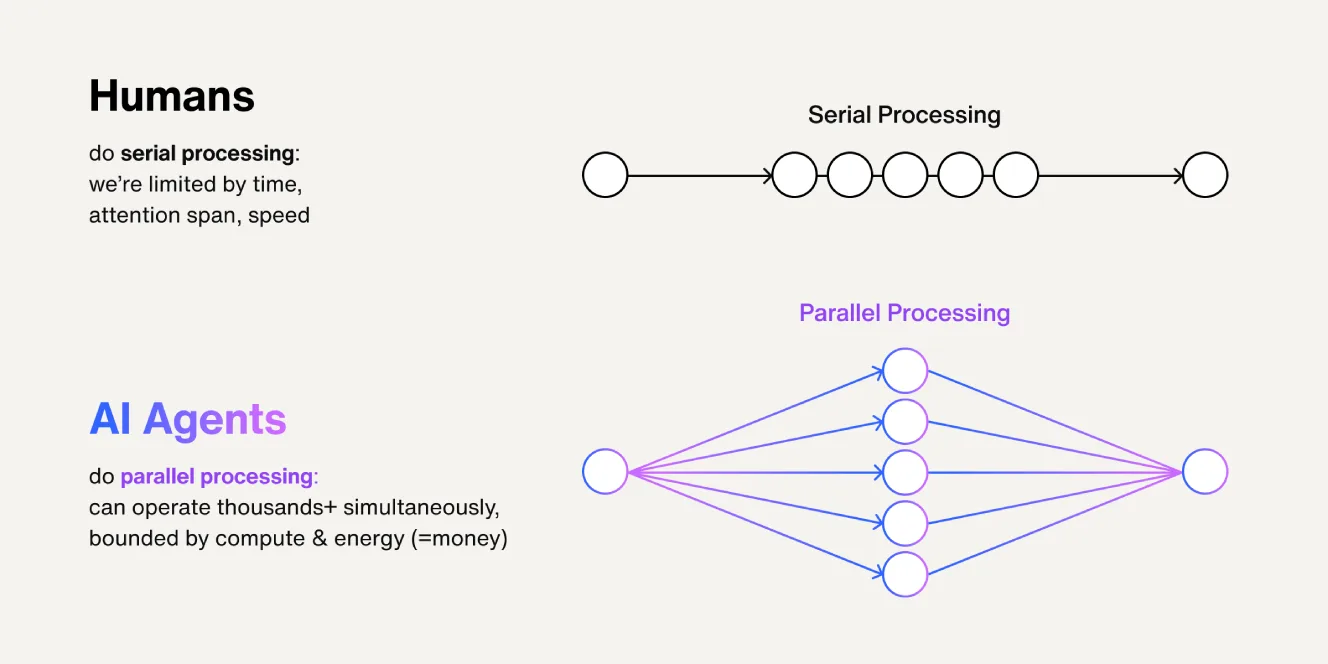
This evolution defines the core value of AI agents B2B 2026 solutions. Unlike traditional software that waits for commands, these agents execute multi-step objectives. They handle complex negotiations, analyze market signals, and adjust strategies autonomously. The result is a measurable shift from operational cost reduction to revenue generation.
The economic proposition is clear. By offloading cognitive load to AI, B2B firms reclaim high-value time for human experts. This isn't just about efficiency; it's about scaling expertise without linear headcount growth. As noted by Demand Gen Report, AI agents have already revolutionized B2B marketing by becoming a strategic workforce that touches all aspects of sales and marketing.
For enterprises, the question is no longer whether to adopt AI, but how to integrate autonomous agents into existing infrastructure. The ROI comes from speed, accuracy, and the ability to operate continuously. This section sets the stage for understanding why the 2026 market favors tools that offer true autonomy over simple task execution.
Calculate your AI agent ROI
Implementing AI agents B2B 2026 requires a clear view of the financial return before committing budget. The value proposition rests on two pillars: direct cost reduction through labor displacement and incremental revenue from higher conversion efficiency. Use the calculator below to model these variables against your current operational baseline.
Labor Cost Savings
Enter your monthly spend on manual processes that AI agents can automate, such as lead qualification, initial customer support, or data entry. This figure represents the fully loaded cost, including salaries, benefits, and overhead. AI agents typically handle repetitive tasks with near-zero marginal cost after the initial subscription or setup fee.
Efficiency Gains
Input the percentage increase in output you expect from your team once AI agents take over routine work. This metric captures the "force multiplier" effect—your existing staff can focus on high-value strategic activities while agents manage volume. Higher efficiency gains directly translate to faster cycle times and improved service levels.
Tool and Implementation Costs
Specify the monthly or annual cost of the AI agent platform, including any integration fees or usage-based pricing. Be sure to account for one-time implementation costs if they are significant. Subtracting these costs from your projected savings and revenue uplift reveals your net return on investment.
Interpreting the Results
A positive net monthly benefit indicates that the AI agent is paying for itself within the first month of operation. If the result is negative, consider adjusting the efficiency gain percentage or exploring lower-cost tools. The goal is to reach a point where the AI agent's contribution to revenue and efficiency outweighs its operational cost, creating a scalable advantage for your B2B operations.
Top AI sales agents for 2026
The market for AI agents B2B 2026 solutions has matured from experimental chatbots to autonomous workflows that handle prospecting, qualification, and initial outreach. For B2B teams, the choice of agent depends less on raw language generation and more on integration depth with existing CRM data and the ability to execute multi-step sequences without human intervention.
The following comparison highlights leading platforms that define the current standard for enterprise sales automation. These tools prioritize secure data handling and seamless connectivity with major customer relationship management systems, ensuring that AI interactions are grounded in accurate, up-to-date account information.

| Agent | Pricing Model | Best Use Case |
|---|---|---|
| Intercom Fin | Usage-based | SaaS customer support and sales handoffs |
| Zendesk AI | Tiered subscription | Enterprise service and sales integration |
| Drift | Enterprise license | B2B meeting scheduling and routing |
| Salesforce Agentforce | Per-agent fee | Deep CRM-native automation |
| Consensus | Per-seat SaaS | Automated lead qualification and scoring |
Marketing workflows
AI agents B2B 2026 transform marketing from manual execution to autonomous orchestration. Instead of triggering campaigns through static rules, agentic AI monitors intent signals and adjusts tactics in real time. This shift reduces the lag between data insight and action, allowing teams to focus on strategy rather than ad management.
Autonomous campaign orchestration handles the heavy lifting across channels. Agents analyze performance data to reallocate budget toward high-converting segments, adjust bids, and pause underperforming creatives without human intervention. This continuous optimization ensures that every dollar spent contributes to pipeline generation.
Predictive intent insights provide the fuel for these automated workflows. By analyzing behavioral patterns and firmographic data, AI agents identify accounts with the highest purchase probability. Marketing teams can then prioritize outreach to these accounts, increasing conversion rates and reducing wasted effort on low-intent leads.
Checklist for choosing B2B AI agents
Selecting the right AI agents B2B 2026 solution requires more than reviewing feature lists. You must verify technical compatibility, security posture, and measurable ROI before committing to a vendor. Use this checklist to ensure your choice aligns with enterprise-grade standards.
Ensure the agent connects seamlessly with your existing stack. Look for native connectors to Salesforce, HubSpot, or SAP. Manual data entry defeats the purpose of automation and introduces latency into your sales or service workflows.
B2B transactions involve sensitive proprietary data. Require SOC 2 Type II certification and confirm that your data is not used to train public models. Check for role-based access controls and audit logs to maintain regulatory compliance.
Vendors must prove value. Ask for case studies showing specific metrics like reduced response time or increased lead conversion. Avoid vague promises; demand concrete data on efficiency gains relative to your current operational costs.

Off-the-shelf agents often fail to match unique B2B sales cycles. Evaluate the platform’s ability to customize decision trees and workflows. The agent should adapt to your specific pipeline stages, not force your process into its template.
Frequently asked: what to check next
How much do AI agents B2B 2026 tools cost?
Pricing varies by complexity and deployment model. Basic SaaS integrations often start at $50–$200 per user monthly, while custom enterprise agents with proprietary data training can exceed $10,000 annually. The ROI calculator above helps you estimate break-even points based on your specific workflow automation needs.
Are AI agents secure for sensitive B2B data?
Security depends on the vendor’s infrastructure. Reputable providers in 2026 typically offer SOC 2 Type II compliance, end-to-end encryption, and on-premise deployment options for sensitive industries. Always verify data residency policies and audit logs before integrating agents into your CRM or ERP systems.
How do I choose the right AI agent vendor?
Prioritize vendors that demonstrate clear integration capabilities with your existing tech stack, such as Salesforce or HubSpot. Look for transparent pricing, dedicated support for B2B workflows, and proven case studies in your specific sector. Avoid tools that promise autonomous action without human-in-the-loop controls.
Can AI agents replace human sales teams?
AI agents augment rather than replace human teams. They handle repetitive tasks like lead qualification and follow-ups, freeing sales reps to focus on high-value negotiations. Successful B2B teams in 2026 use AI to scale outreach while maintaining personalized human touchpoints at critical conversion stages.

No comments yet. Be the first to share your thoughts!