

How we picked these niacin supplements
We evaluated daily B3 supplements by comparing product specifications against official dietary guidelines. Our primary metric was the presence of verified Niacin content, measured in milligrams (mg) or Niacin Equivalents (NE). We prioritized brands that provide transparent labeling, ensuring the dosage matches what is listed on the supplement facts panel.
The Office of Dietary Supplements and Harvard’s Nutrition Source establish the Recommended Dietary Allowance (RDA) for adults at 16 mg NE for men and 14 mg NE for women. We filtered our selection to highlight products that align with these baseline needs for general health, energy metabolism, and cellular function, avoiding those with excessive, unverified doses.
We also examined the form of Niacin used. While standard Niacin (nicotinic acid) is effective, it can cause flushing. We included options that offer Nicotinamide (Niacinamide) or Inositol Hexanicotinate for readers seeking different tolerability profiles, ensuring the recommendations cover various user preferences without compromising on source credibility.
Top B3 daily supplement picks
Choosing the right niacin supplement depends on your tolerance for flushing and your specific health goals. Niacin, or vitamin B3, is essential for converting food into energy and supporting cellular health. While the NIH notes that niacin can help manage cholesterol levels, it also warns that high doses may cause liver damage or interact with medications. This makes selecting a reputable brand and appropriate dosage critical.
We have evaluated several options based on purity, form (nicotinic acid vs. niacinamide), and third-party testing. Below is a comparison of the leading products to help you decide which fits your daily routine.
| Brand | Form | Dosage (mg) | Key Features |
|---|---|---|---|
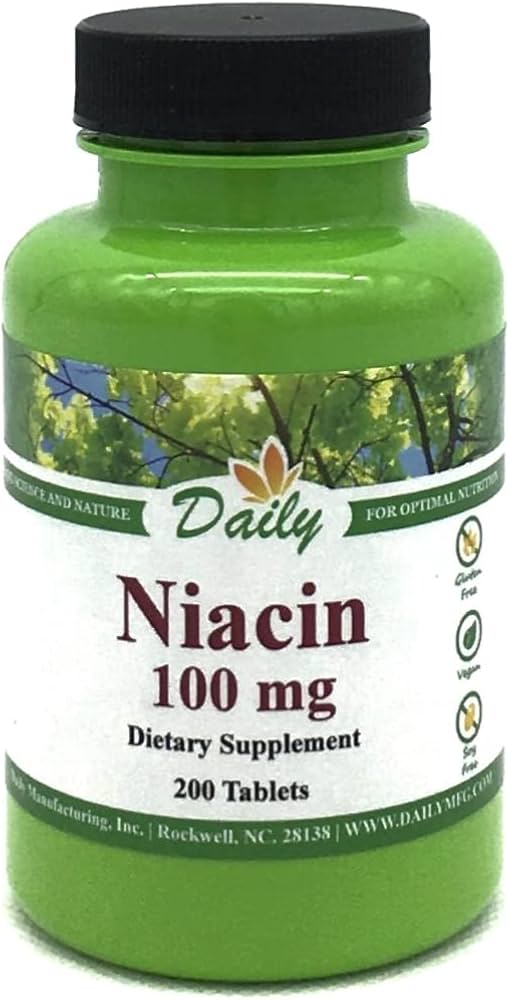
| Daily Manufacturing | Niacin (Nicotinic Acid) | 100 | Gluten-free, Soy-free, Vegan |
| Now Foods | Niacin | 500 | High potency, Non-GMO |
| Jarrow Formulas | Niacin | 100 | No flush formula available |
| Thorne | Niacinamide | 500 | Gluten-free, No additives |
Daily Manufacturing Niacin
Daily Manufacturing offers a straightforward niacin supplement at 100 mg per tablet. This dosage is effective for general health support without being overwhelming. The tablets are gluten-free, soy-free, and vegan, making them suitable for a wide range of dietary needs. Each bottle contains 200 tablets, offering good value for consistent daily use. This product is ideal for those who want to avoid the intense flushing associated with higher doses of nicotinic acid.
Now Foods Niacin
Now Foods is a well-known brand in the supplement industry, and their niacin product is no exception. Providing 500 mg per tablet, this option is designed for those who may need higher doses under medical supervision. It is non-GMO and free from artificial colors, flavors, and preservatives. Because of the higher potency, it is best suited for individuals who have already discussed dosage with a healthcare provider.
Jarrow Formulas Niacin
Jarrow Formulas is recognized for its quality control and research-backed formulations. Their niacin supplement comes in both immediate-release and sustained-release forms, allowing users to choose based on their tolerance for flushing. The 100 mg dosage is a gentle entry point for daily supplementation. Jarrow’s commitment to purity ensures that you are getting exactly what is listed on the label.
Thorne Niacinamide
Thorne is a favorite among healthcare practitioners for its high standards of purity. This product uses niacinamide, a form of vitamin B3 that does not cause flushing. At 500 mg per capsule, it provides a robust dose for those who need to avoid the vasodilation effects of nicotinic acid. Thorne products are gluten-free and free from unnecessary additives, ensuring a clean supplement profile.

As an Amazon Associate, we may earn from qualifying purchases.
When selecting a B3 supplement, always start with the lowest effective dose to assess your body’s response. If you experience persistent flushing or gastrointestinal discomfort, consider switching to niacinamide or a sustained-release formulation. Consult with a healthcare provider before starting any new supplement regimen, especially if you are taking medications for cholesterol or diabetes.
Niacin dosage and safety
Understanding how much niacin you actually need starts with the baseline Recommended Dietary Allowance (RDA). For adult men, the RDA is 16 mg NE (niacin equivalents), while women need 14 mg NE. These numbers cover the amount required to prevent deficiency and support basic metabolic functions, not the higher doses often used in therapeutic settings.
When you look at supplements, the doses are often much higher than the RDA. This is where safety becomes the primary concern. High-dose niacin, particularly in its immediate-release form, can cause significant side effects like flushing, itching, and liver stress. The National Institutes of Health (NIH) outlines that the Tolerable Upper Intake Level for adults is 35 mg per day from supplements and fortified foods, though clinical trials often use much higher doses under strict medical supervision.
For those considering niacinamide or nicotinamide riboside for non-lipid benefits, the safety profile is different. These forms do not cause flushing and are generally tolerated at higher doses, such as 500 mg to 1,500 mg per day, according to the American Academy of Ophthalmology. However, even these forms require caution. Always check with a healthcare provider before starting a regimen that exceeds standard dietary amounts, especially if you have existing liver conditions or are taking other medications.
Frequently asked questions about B3
Does niacin help with erectile dysfunction?
Niacin, or vitamin B3, may improve blood flow and erections by boosting nitric oxide, improving endothelial function, and supporting healthier cholesterol; early studies suggest potential benefits, particularly when high cholesterol and ED coexist.
What is inositol hexaniacinate?
Some doctors recommend inositol hexaniacinate (a special for of vitamin B3) as an alternative to niacin. A typical amount recommended is 500 mg three times per day.
What are the side effects of niacin?
Niacin may be recommended as a dietary supplement to improve cholesterol levels, slow the progression of certain types of heart disease, and even help prevent ...

No comments yet. Be the first to share your thoughts!