
What to expect from the B3 index in 2026
The B3 index in 2026 operates within a specific structural constraint: it is heavily weighted toward a few dominant sectors, primarily financials and commodities. This concentration means the index does not move like a diversified global market; it moves like a leveraged bet on Brazilian interest rates and global raw material demand. Understanding this dynamic is essential for interpreting the Bovespa (IBOV) movements, which serve as the primary thermometer for the Brazilian stock market.
While B3 S.A. is the exchange itself, the Bovespa index is the performance metric. Investors often confuse the two, but the distinction matters when analyzing volatility. The Bovespa index tracks the most traded stocks on B3, making it sensitive to domestic policy shifts. In 2026, this sensitivity is amplified by the ongoing tension between high Selic rates and the need for corporate investment. The index’s behavior is less about broad economic growth and more about the profitability of its heavyweights under current monetary conditions.
TradingView data indicates that the Bovespa Index reached its highest quote on April 13, 2026, at 199,354.81 points. This peak was not driven by a sudden surge in retail activity, but by institutional positioning ahead of expected fiscal announcements. The subsequent pullback to levels around 172,000–187,000 points highlights the index’s volatility. For investors, this means the 2026 B3 index is not a passive holding; it requires active monitoring of sector-specific headwinds.
The constraint here is clear: you cannot diversify away from B3’s structural biases by simply buying the index. The index’s composition ensures that it will underperform in environments where commodities slump or interest rates rise sharply without corresponding economic relief. Conversely, it can outperform significantly when global risk appetite favors emerging market debt and Brazilian exports. The key is recognizing that the B3 index 2026 outlook is a sector play disguised as a market benchmark.
B3 index 2026 choices that change the plan
The B3 index landscape in 2026 requires a clear distinction between the exchange itself and the benchmarks that track it. B3 S.A. is the single entity operating Brazil's stock exchange, while the Ibovespa (IBOV) remains the primary gauge of market performance. Understanding this separation is the first step in navigating the volatility and growth opportunities specific to the Brazilian market this year.
To evaluate these tradeoffs, it helps to look at the specific instruments and structural factors defining the 2026 trading environment. Below is a comparison of the primary market indicators and structural elements that will drive decisions for both domestic and international investors.
| Indicator | Type | 2026 Focus |
|---|---|---|
| IBOV (Ibovespa) | Broad Market Index | Tracks the 80 most traded stocks; sensitive to interest rate shifts and commodity cycles. |
| IBrX-100 | Blue-Chip Index | Top 100 liquid stocks; often used as a benchmark for large-cap equity performance. |
| S&P Brazil Index | Global Benchmark | Foreign investor standard; includes major Brazilian companies listed on NYSE and ADRs. |
| BTC Event Contracts | Derivative Product | New Bitcoin-linked contracts launching April 2026; adds volatility and speculative options. |
The introduction of Bitcoin-linked event contracts on April 27, 2026, marks a significant shift in the B3's risk profile. These new derivatives allow investors to bet on specific future outcomes related to Bitcoin's price movements. For traders, this introduces a new layer of complexity and potential volatility, blending traditional equity market hours with the 24/7 nature of crypto markets.
Interest rates remain the dominant force for traditional B3 indices. The Tesouro Selic B3 Index continues to serve as the reference for fixed-income investments, closely tied to the Central Bank's Selic rate. When rates remain high, fixed-income assets often outperform equities, creating a direct tradeoff for portfolio allocation. Investors must weigh the stability of Tesouro Selic against the growth potential of the Ibovespa, which tends to underperform in high-rate environments.
Liquidity and trading hours also present practical tradeoffs. While the B3 operates on standard market hours, the CSD2 settlement system introduces specific timing constraints. For example, holidays like January 19, 2026, or suspended CSD2 trading days like January 15, 2026, can disrupt settlement cycles. International investors must account for these operational quirks when executing trades, as settlement delays can impact cash flow and risk exposure.
Ultimately, the 2026 B3 index outlook is defined by the tension between traditional commodity-driven equity performance and new digital asset derivatives. The Ibovespa remains the core barometer for the broader economy, but the addition of crypto-linked products offers a new avenue for speculation. Decisions should be based on whether you prioritize exposure to Brazil's industrial and financial sectors or seek to hedge against cryptocurrency volatility within a regulated exchange environment.
How to evaluate B3 index exposure in 2026
The B3 index (specifically the Ibovespa) tracks the most-traded stocks on Brazil’s exchange. It serves as a primary benchmark for investors seeking exposure to Brazilian equities, real estate, and commodities. Because Brazil is a commodity-heavy economy, the index often moves in tandem with global demand for iron ore, soy, and oil, but with added volatility from local currency fluctuations and domestic policy shifts.
To navigate this volatility, treat the B3 index not as a single bet, but as a portfolio of distinct sector drivers. Below is a practical framework to decide how much B3 exposure fits your portfolio based on your risk tolerance and investment horizon.
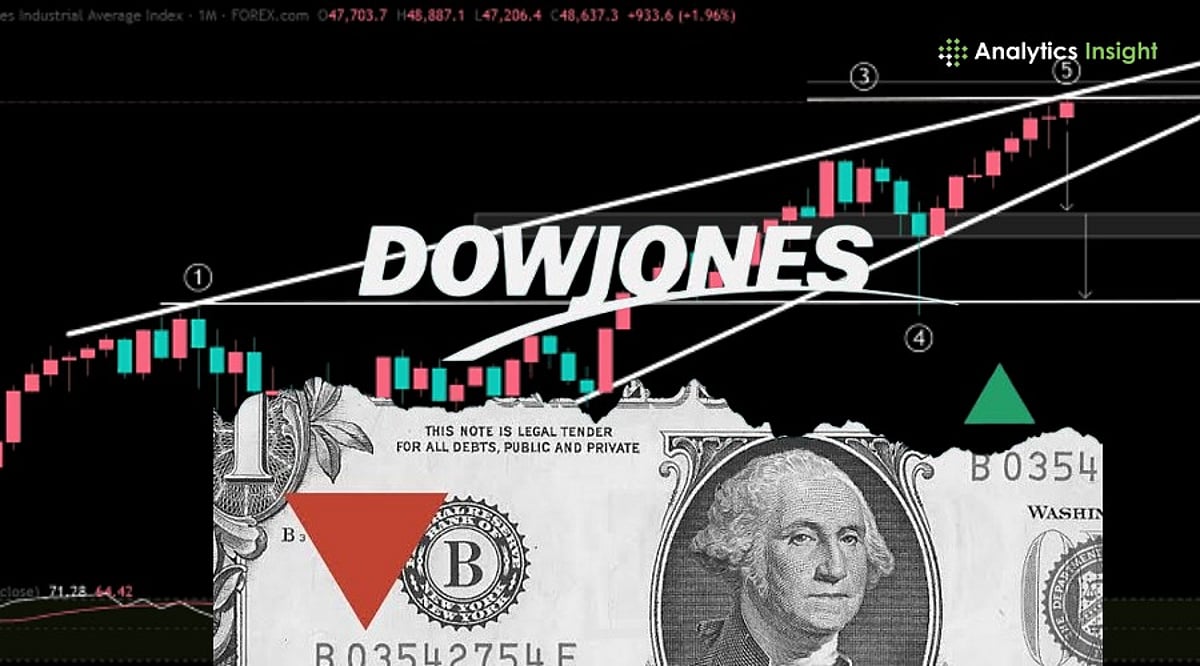
Brazil’s largest constituents—Vale and Petrobras—are tied to global commodity cycles. If you believe commodity prices will stabilize or rise in 2026, B3 offers direct leverage. However, if global growth slows, these stocks often lead the index downward. Check the current correlation between the Ibovespa and the S&P 500; if it is rising, B3 is acting more like a global risk asset than a diversifier.
The Brazilian Real (BRL) and the Selic rate (Brazil’s benchmark interest rate) are critical filters. A stronger BRL typically boosts B3 earnings for exporters but hurts importers. Meanwhile, high Selic rates can pressure equity valuations. Monitor the BRL/USD pair and the B3’s own Tesouro Selic Index. If the Selic is cutting while the Real is stable, equity valuations often expand, making this a favorable entry window for long-term B3 exposure.
B3 offers distinct trading sessions (pre-open, regular, after-hours) and unique mechanisms like the "leilão" (auction) for price discovery. For active traders, understanding these micro-structures is essential to avoid slippage. For passive investors, liquidity is generally sufficient for large-cap ETFs, but mid-cap components can be illiquid. Decide if you are trading the index’s daily volatility or holding for long-term dividend yields.
Before allocating capital, compare B3’s risk-adjusted returns against other emerging market (EM) indices like MSCI China or India. Brazil often offers higher dividend yields but carries higher political and regulatory risk. Use a comparison table to weigh the Ibovespa’s dividend yield against its volatility metrics. If your goal is diversification away from US tech, B3 provides a non-correlated commodity play, but it requires active monitoring of local fiscal policy.
| Feature | B3 (Ibovespa) | Global EM (MSCI) |
|---|---|---|
| Primary Driver | Commodities & Local Policy | Diverse Tech & Manufacturing |
| Volatility | High (Currency & Political risk) | Moderate |
| Dividend Yield | Typically Higher | Variable |
| Best For | Commodity bulls & yield seekers | Broad diversification |
Avoid the Weak Options
Investors often treat the B3 index ecosystem as a single monolith, but this assumption leads to poor risk management. The B3 is the exchange itself—the venue where trades happen. The Bovespa (IBOV) is just one index tracked on that exchange. Confusing the platform with the benchmark is a common mistake that blurs the distinction between market infrastructure and market performance.
When analyzing 2026 volatility, relying solely on the broad IBOV is a weak option. It is heavily weighted toward a few financial and commodity giants, which masks the behavior of smaller caps and specific sectors. A broader view requires looking at the IBrX-100 or sector-specific indices to understand where the actual price action is occurring.
The weak options also include ignoring the divergence between the index level and the underlying earnings. The IBOV reached a high of 199,354.81 points in April 2026, but this peak does not guarantee liquidity in the mid-caps. Investors who only monitor the headline number may miss the widening gap between large-cap stability and small-cap volatility.
To avoid these pitfalls, focus on the specific index that matches your exposure. Use the B3 official data for governance criteria and historical statistics to validate your benchmarks. Do not assume that the exchange's overall health translates directly to every index listed within it.
B3 index 2026: common: what to check next
Navigating the Brazilian market requires separating the exchange from its primary benchmark. The distinction between B3 and the Ibovespa is a common point of confusion for new investors, but understanding the difference is essential for accurate market analysis in 2026.
These questions highlight the structural differences between the exchange and its performance metrics. When analyzing the 2026 outlook, focus on how these indices reflect broader economic shifts rather than treating them as interchangeable terms.

No comments yet. Be the first to share your thoughts!