

Introduction to the 2026 B3 Daily Forecast
Global trade is undergoing a structural realignment as we move deeper into 2026. The volatility that defined the post-pandemic recovery has settled into a new, more rigid regime characterized by fragmented supply chains, divergent monetary policies, and heightened geopolitical friction. For investors and institutional traders, the era of easy beta returns is over; alpha now comes from understanding the mechanics of these shifts.
This analysis focuses on the Brazilian market (B3) as a critical lens for observing these broader trends. As one of the world’s largest commodity exporters, Brazil sits at the intersection of global demand fluctuations and domestic policy shifts. The Ibovespa index does not merely reflect local sentiment but serves as a barometer for emerging market liquidity and commodity pricing power.
We have identified three specific market shifts that are reshaping this landscape. These are not temporary anomalies but permanent features of the new trade architecture. The first involves the decoupling of traditional trade routes, forcing rerouting and cost inflation. The second centers on the divergence in central bank responses to inflation, particularly between the US Federal Reserve and the Central Bank of Brazil (BCB). The third shift is the re-pricing of risk as capital flows away from speculative growth toward tangible assets and yield.
Understanding these dynamics is essential for navigating the 2026 trading environment. The following sections break down each shift, providing data-driven insights to help you position your portfolio for resilience and opportunity.
3 Market Shifts Reshaping Global Trade
The 2026 global trade landscape is undergoing structural realignment driven by three primary market shifts, as validated by data from B3 and the Central Bank of Brazil. These developments necessitate a rigorous analysis of current mechanics to navigate high-stakes financial implications effectively.
-

Commodity Cycle Volatility
B3’s 2026 outlook highlights intensified swings in agribusiness and mining exports as climate disruptions alter supply chains. Traders must monitor real-time inventory data from the Central Bank of Brazil to hedge against price shocks. -
Currency Fluctuation Pressures
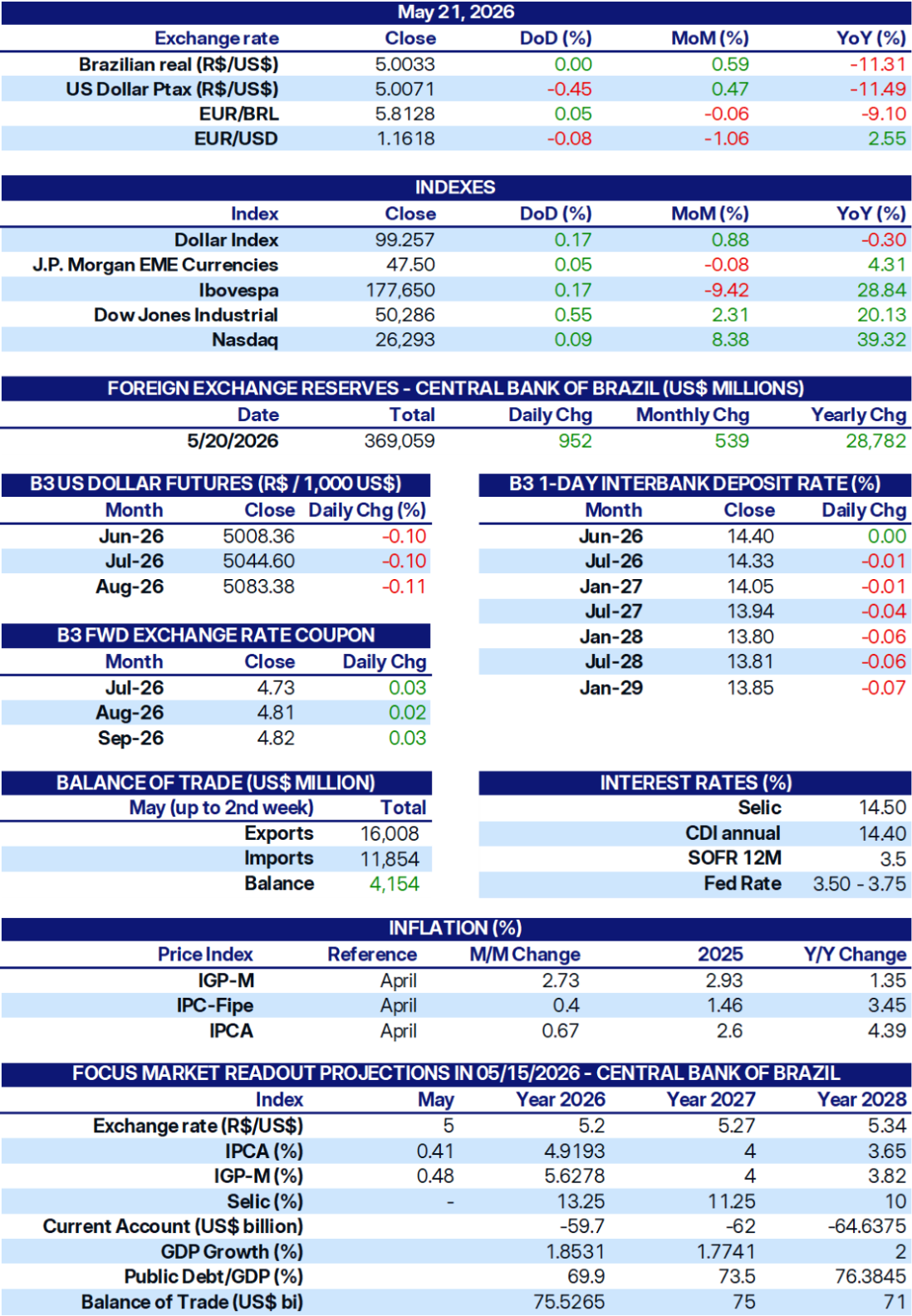
The Brazilian real faces persistent pressure from diverging monetary policies between the Federal Reserve and the Central Bank of Brazil. Importers and exporters are adjusting hedging strategies to mitigate translation risks on cross-border transactions. -
Regulatory and ESG Realignment
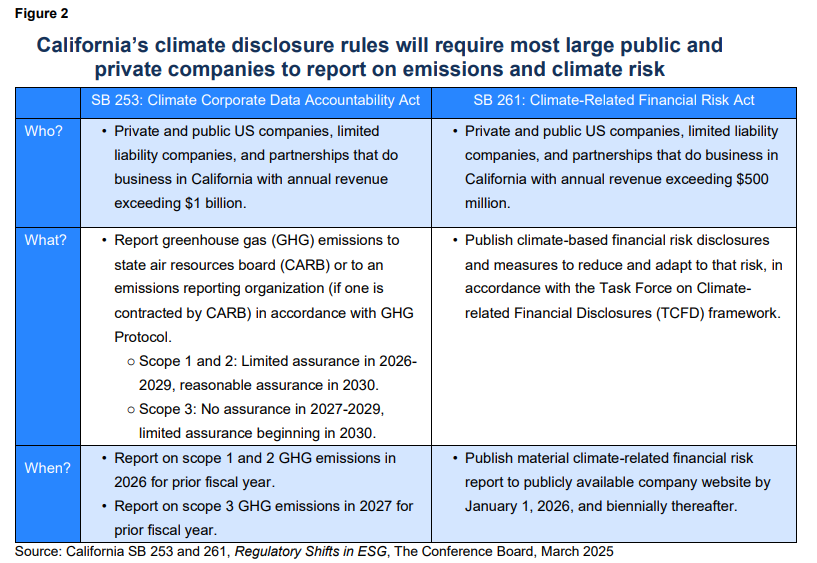
New EU carbon border adjustments and domestic B3 sustainability mandates are reshaping capital flows toward compliant firms. Companies failing to meet rigorous environmental, social, and governance standards face higher financing costs and reduced market access in 2026.
Frequently Asked Questions About B3 2026
The B3 Daily 2026 forecast focuses on structural shifts in global trade, specifically the performance of the B3 stock exchange and Brazilian economic indicators. Unlike nutritional guides that address daily vitamin requirements, this analysis tracks market volume, liquidity, and regulatory changes impacting the Brazilian equity market.

No comments yet. Be the first to share your thoughts!