
B3 hits record revenue as AI reshapes trading
Brazil’s primary exchange, B3, reported a record-breaking first quarter for 2026, signaling a structural shift in how digital infrastructure fuels market vitality. The company posted a 21% year-over-year revenue increase, driven largely by the integration of artificial intelligence into its trading and settlement engines. This performance underscores a broader trend where legacy market infrastructure is being modernized to handle higher volumes and more complex derivative products.
The financial results highlight a significant expansion in operational efficiency. B3’s recurring EBITDA margin grew to 71.6%, a metric that reflects the scalability of its technology stack. As algorithmic trading and AI-driven risk management tools become standard, the exchange is able to process transactions with greater speed and lower marginal costs. This efficiency is not just a balance sheet improvement; it is a competitive moat that attracts both local institutional investors and foreign capital seeking exposure to Latin American assets.
The adoption of AI extends beyond internal efficiency. New product launches tied to digital asset infrastructure and automated trading solutions are capturing market share from less agile competitors. The exchange’s ability to monetize these technological upgrades suggests that the Brazilian equity and derivatives market is maturing rapidly. For investors, this means the underlying market structure is becoming more robust, resilient, and attractive for long-term capital allocation.
Tracking the Ibovespa and global macro shifts
The Ibovespa is moving in a different direction than the US market. While US equities are projected to lead global gains, Brazil’s benchmark index faces local pressures that decouple it from the broader American rally. Understanding this divergence is essential for positioning capital in 2026.
Morgan Stanley projects the S&P 500 will gain 14% over the next year, driven by resilient US growth and corporate earnings. This optimism contrasts sharply with the Ibovespa’s recent performance. The index slid to 176,589 points in late May, reflecting a 0.69% drop from the previous session. Over the past month, the local market has struggled to find a sustained upward trajectory despite global ceasefire prospects in the Middle East.
Global economic growth is projected at 3.1% in 2026, slightly below 2024 and 2025 levels. The US, Europe, and emerging Asia are expected to drive most of this expansion. However, emerging markets like Brazil are navigating a complex landscape of currency volatility and interest rate differentials. This environment creates a distinct risk profile for investors tracking the Ibovespa.
The table below compares the projected performance of the S&P 500 against the recent trajectory of the Ibovespa, highlighting the divergence in market expectations.
| Index | Projected Return | Recent Trend | Primary Driver |
|---|---|---|---|
| S&P 500 | +14% | Upward | US Growth & Earnings |
| Ibovespa | N/A | Downward | Local Volatility & Rates |
For investors, this split suggests a need for careful asset allocation. While US stocks offer a clear growth path, the Ibovespa requires a more nuanced approach. Debt instruments may offer better risk-adjusted returns in this stable rate environment, providing a counterbalance to equity volatility. The live price widget below tracks the current Ibovespa level, offering real-time insight into this ongoing divergence.
AI stocks and emerging tech ETFs on B3
The 2026 investment landscape is shifting toward artificial intelligence and emerging technologies, creating specific opportunities for investors on the B3. As global markets adjust to fading inflation and softening labor conditions, the dispersion driven by AI adoption is reshaping sector leadership. For Brazilian investors, this means looking beyond broad market indices to targeted exchange-traded funds (ETFs) that capture the growth potential of the tech sector.
Investing in AI and emerging tech on the B3 requires selecting vehicles that align with your risk tolerance and exposure goals. While direct stock picking offers granular control, ETFs provide diversification across multiple companies, reducing the volatility associated with individual tech giants. The following comparison highlights key tech-focused ETFs available on the B3, helping you evaluate expense ratios, assets under management (AUM), and primary holdings.
These funds vary in their geographic focus and expense structures. For instance, BTCI11 offers exposure to global AI leaders, while KNTT11 concentrates on US tech innovation. Investors should consider their existing portfolio diversification when choosing between these options. A higher expense ratio may be justified if the fund provides superior access to niche AI sub-sectors or emerging markets.
Before committing capital, review the latest holdings reports from BlackRock and other major asset managers. Their 2026 outlooks emphasize the importance of staying overweight in equities while diversifying globally. This approach allows you to capture the upside of AI-driven growth while mitigating risks associated with currency fluctuations and local market volatility.
Building a 2026 portfolio checklist
Constructing a resilient portfolio for 2026 requires moving beyond broad market bets to specific, actionable allocations. The goal is to balance the high-growth potential of AI with the stabilizing force of fixed income and the diversification benefits of emerging markets like the Ibovespa. This framework provides a step-by-step approach to aligning your assets with the prevailing economic conditions.
Start by auditing your current holdings for over-concentration in artificial intelligence stocks. While AI is a primary growth driver, ensure you are not exposed to a single sub-sector or vendor. Diversify across hardware, software, and infrastructure plays to mitigate sector-specific volatility.
Incorporate debt investments to anchor your portfolio. As noted by wealth management experts, debt instruments offer predictable income and lower volatility compared to equities, especially in a stable rate environment. Allocate a portion of your capital to bonds to improve risk-adjusted returns.

Consider adding exposure to the Ibovespa through ETFs or direct equity picks. Brazil offers a unique diversification play with its commodity-heavy economy and growing tech sector. Monitor local currency trends and political developments before committing capital to this emerging market.
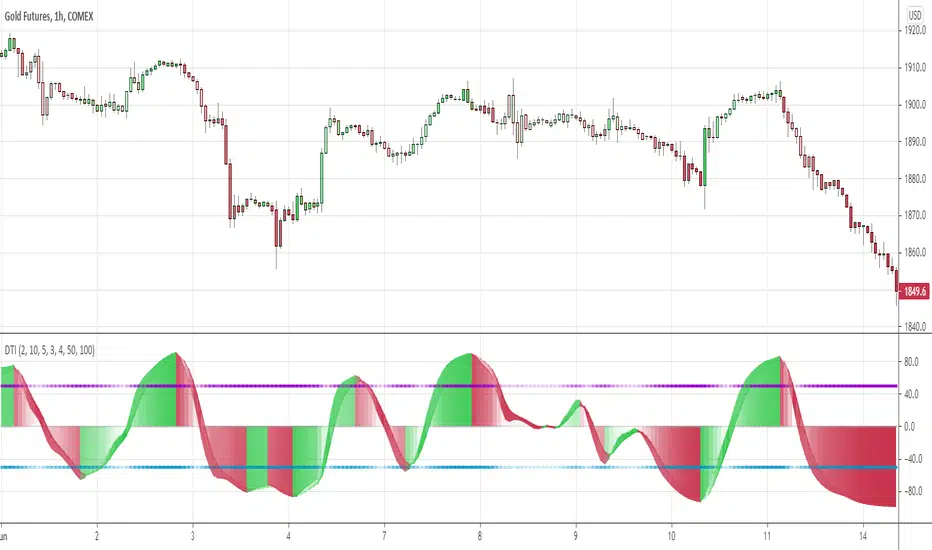
Use technical analysis to time your entries and exits. The chart below shows the S&P 500, a key benchmark for global equity trends. Look for support levels and momentum shifts to validate your allocation decisions against broader market sentiment.
Set a quarterly review schedule to rebalance your portfolio. Markets shift rapidly, and what worked in Q1 may not hold in Q4. Adjust your AI, debt, and international allocations based on actual performance and changing economic forecasts.
Where and how to invest in 2026
The investment landscape in 2026 is shifting back toward balance. While equities remain a core growth engine, debt instruments are regaining their status as essential portfolio anchors. This renewed relevance offers predictable income and lower volatility, particularly in stable rate environments.
Investors are increasingly allocating capital to fixed-income assets to hedge against equity swings. This strategy provides better risk-adjusted returns when market turbulence spikes. The goal is no longer just growth, but resilience through a diversified mix of debt and equity.
To visualize current market conditions, you can track major indices and bond yields using live provider-backed tools. These widgets offer real-time data, helping you time entries and exits with precision rather than relying on stale static prices.

No comments yet. Be the first to share your thoughts!