
5 Key Takeaways from Brazil's Mid-Year Correction
Brazil’s mid-year correction has reshaped market dynamics, demanding a close examination of the underlying drivers. We distill five critical takeaways from the B3 Daily 2026 data to clarify the path forward.
-

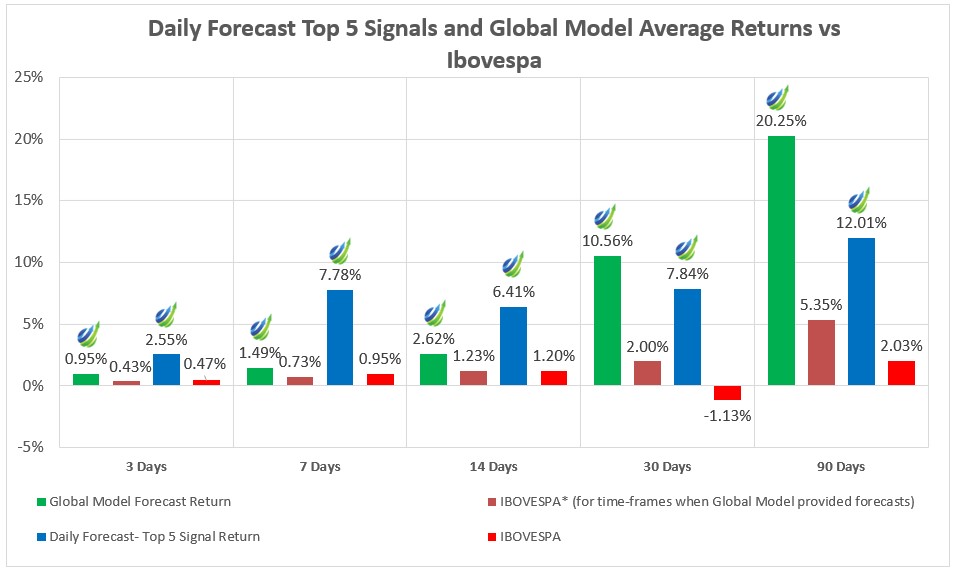
Ibovespa resilience amid global volatility
The B3 index demonstrated remarkable fortitude during mid-year turbulence, defying broader emerging market weakness. Driven by robust earnings from financial giants and steady commodity inflows, the benchmark held its ground against external shocks. This stability underscores the underlying strength of Brazil’s largest corporations, which continue to attract investor confidence despite geopolitical uncertainties and shifting global risk appetites. -
Commodity price volatility impacts
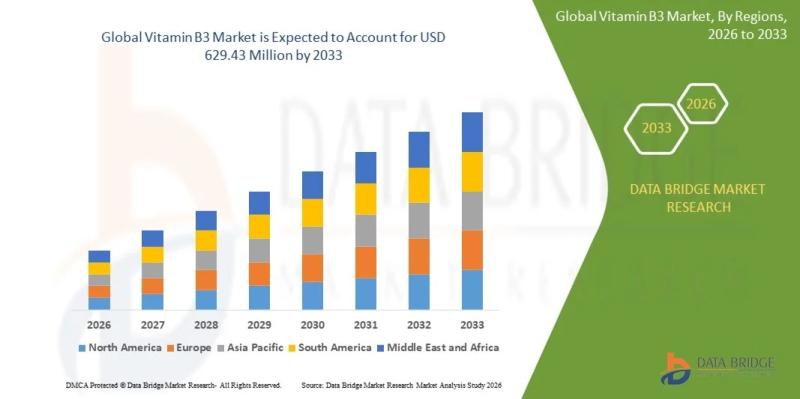
Fluctuating global prices for iron ore and agricultural products created significant revenue swings for key exporters. While steel demand softened in some regions, strong soybean and corn exports provided a crucial buffer for corporate margins. This dichotomy highlights the sector’s sensitivity to international trade dynamics, forcing companies to hedge aggressively against currency and price risks to maintain profitability during uncertain market phases. -
Central bank policy shifts
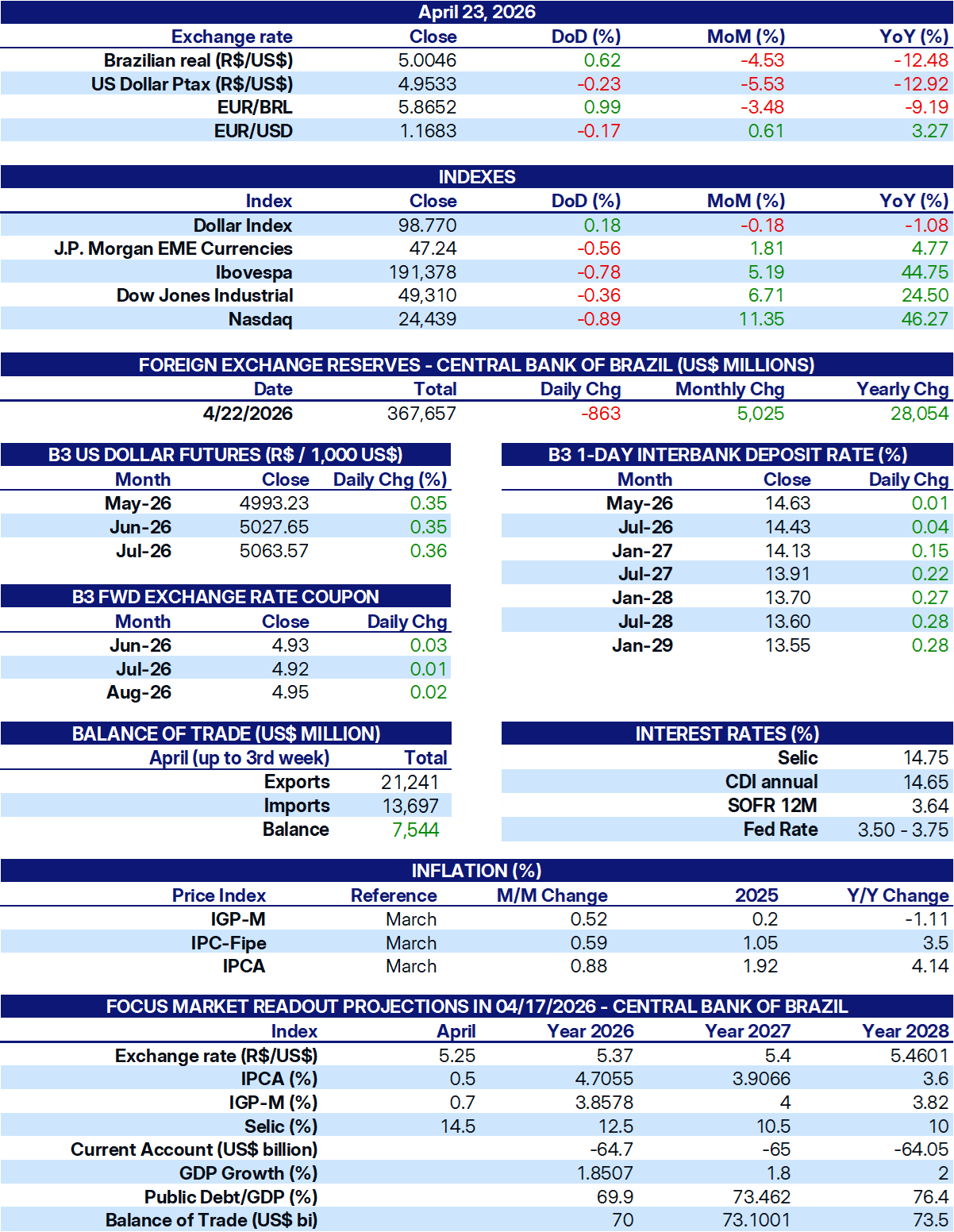
Banco Central do Brasil adjusted interest rates to balance inflation control with economic growth needs. These policy moves signaled a nuanced approach to managing fiscal deficits while supporting domestic demand. Investors closely monitored these decisions, as rate stability remains pivotal for bond yields and equity valuations. The central bank’s data-driven strategy aims to anchor expectations without stifling the gradual recovery in consumer spending and industrial output. -

Foreign investment flow changes
Net foreign capital inflows experienced notable shifts as global funds reassessed emerging market allocations. While some portfolios reduced exposure due to currency concerns, others increased stakes in undervalued assets with strong dividend yields. This reallocation reflects a cautious but opportunistic stance by international investors, who are selectively targeting sectors with resilient cash flows and transparent governance standards amidst broader macroeconomic uncertainties. -
Sector performance divergence trends
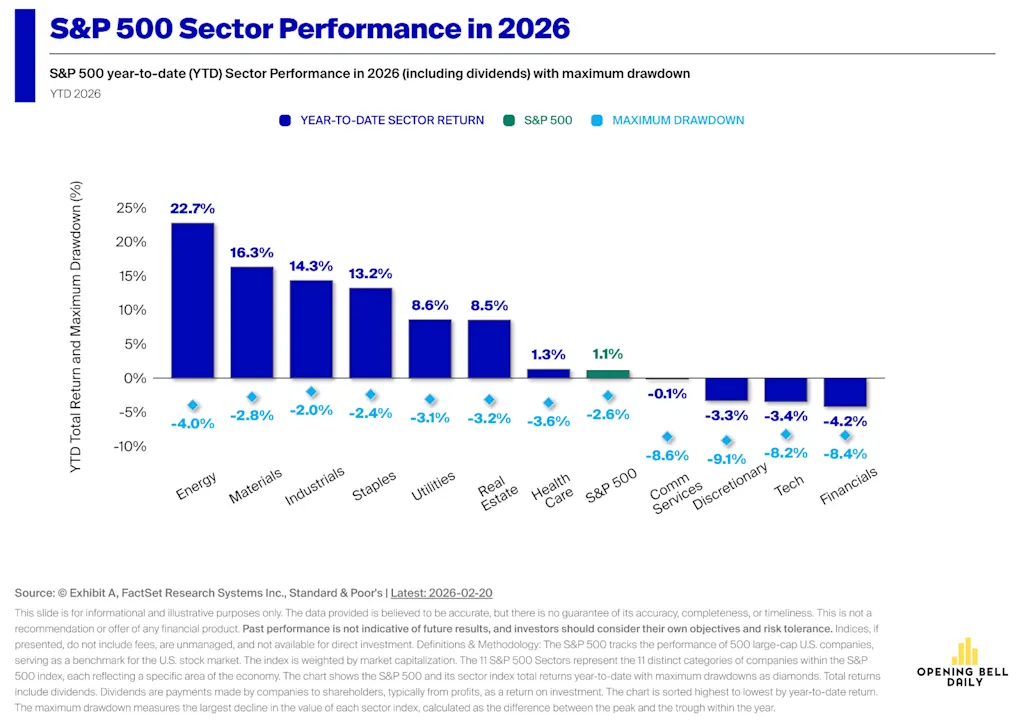
Distinct performance gaps emerged between defensive utilities and cyclical industrials during the correction period. Technology and energy stocks showed varying resilience, with energy benefiting from price spikes while tech faced valuation pressures. This divergence highlights the importance of sector-specific analysis, as broad market indices mask underlying structural differences in profitability, growth prospects, and sensitivity to global economic cycles affecting Brazilian equities.
Market context for b3 daily 2026
The B3 Daily 2026 index entered a period of significant volatility during the mid-year correction, reflecting broader macroeconomic pressures and shifting investor sentiment. This downturn was not an isolated event but a reaction to global liquidity tightening and domestic policy uncertainties that weighed heavily on Brazilian equities.
To understand the scope of this correction, it is essential to look at the technical trajectory of the Ibovespa. The index experienced a sharp decline from its early-year highs, testing key support levels that had held firm throughout the first quarter. This pullback highlighted the fragility of the rally that had characterized the start of 2026.
The immediate impact was felt across major sectors, with financials and commodities leading the decline. Trading volumes surged as institutional investors rebalanced portfolios, signaling a defensive posture. This shift in market dynamics underscores the importance of monitoring real-time technical indicators rather than relying on static price points.
B3 Daily 2026 outlook
The mid-year correction in Brazil’s equity market has reset valuations, creating a distinct pivot point for the remainder of 2026. Rather than viewing this dip as a structural failure, investors should interpret it as a recalibration of risk premiums amid shifting global liquidity conditions. The primary focus for the next six months is not panic, but precision in identifying which sectors are resilient to these macro headwinds.
Key indicators suggest that the Brazilian real’s stability and domestic interest rate trajectories will dictate the pace of recovery. Companies with strong export capabilities and low debt-to-equity ratios are positioned to outperform as financing costs remain elevated. Conversely, highly leveraged domestic plays may face continued pressure until inflation expectations fully anchor.
Monitoring the B3 Daily index requires a close eye on central bank policy signals and commodity price floors, particularly for iron ore and agricultural exports. These external factors often drive the initial volatility, while domestic earnings revisions determine the sustained direction. A disciplined approach to entry points, rather than chasing immediate rebounds, offers the most prudent path forward.

No comments yet. Be the first to share your thoughts!