

Niacin market growth projections for 2026
The global niacin (Vitamin B3) market is positioned for steady expansion in 2026, driven by rising consumer awareness of cardiovascular health and the vitamin's essential role in metabolic function. As a foundational nutrient, niacin remains a staple in both over-the-counter supplements and clinical nutritional protocols, creating a stable demand floor across diverse demographics.
Market analysts project that the United States niacin sector will grow annually by 7.7% from 2026 to 2033. This compound annual growth rate reflects a robust shift toward preventive healthcare, where consumers increasingly prioritize accessible, evidence-based supplements to manage cholesterol and support cellular energy production.
This trajectory is underpinned by niacin's dual utility in both general wellness and targeted therapeutic applications. While the market benefits from broad consumer adoption, it also faces scrutiny regarding dosage and side effects, such as the flushing response and potential cardiovascular risks associated with excessive intake. These clinical nuances ensure that growth is driven by informed, rather than impulsive, purchasing behavior.
Clinical drivers: fatty liver and skin cancer
The clinical landscape for niacin (vitamin B3) is shifting from general wellness support to targeted therapeutic applications. In 2026, two distinct medical breakthroughs have created new demand vectors for B3 supplements, positioning the nutrient as a critical asset in preventive and metabolic health markets.
Fatty liver breakthrough
Research published in March 2026 identified microRNA-93 (miR-93) as a primary genetic driver of fatty liver disease. Scientists found that niacin effectively shuts down this pathway, reducing miR-93 levels and restoring SIRT1 activity in liver cells. In preclinical models, this mechanism made niacin the most effective vitamin intervention for reversing early-stage fatty liver damage ScienceDaily. This finding transforms B3 from a dietary staple into a potential metabolic treatment, expanding its addressable market beyond basic nutrition.
Skin cancer risk reduction
Concurrently, large-scale clinical data has reinforced niacin’s role in dermatological health. A 2026 analysis confirmed that patients taking 500 mg of nicotinamide twice daily experienced a 14% lower rate of new skin cancers compared to placebo groups US News. This specific dosage regimen provides a clear clinical benchmark for consumers seeking sun-damage prevention, driving demand for standardized nicotinamide supplements rather than generic B3 blends.
Market implications
These clinical validations are reshaping the supplement category. Consumers are increasingly seeking products with specific, evidence-based dosages for metabolic and dermatological benefits, rather than broad-spectrum multivitamins. However, investors and consumers must note that high-dose niacin can elevate cardiovascular risks in some individuals NIH. The market is responding with a bifurcation: lower-dose nicotinamide for skin protection and targeted, medically supervised niacin formulations for metabolic support.
Dosage standards and safety considerations
Establishing a baseline for niacin (Vitamin B3) consumption requires distinguishing between maintenance levels and therapeutic doses. According to the Harvard T.H. Chan School of Public Health, the Recommended Dietary Allowance (RDA) for adults is 16 mg NE for men and 14 mg NE for women, with slight increases required during pregnancy and lactation 1. The Mayo Clinic reinforces these figures, noting that adults assigned male at birth generally require 16 milligrams daily, while those assigned female at birth need 14 milligrams 2. These standards reflect the minimum intake necessary to prevent deficiency and support basic metabolic functions.
Note: Excess niacin metabolites may elevate heart attack and stroke risk due to arterial inflammation.
While maintaining baseline levels is straightforward, the margin for error widens significantly at higher doses. Recent research highlights a critical safety concern: a metabolite of niacin has been associated with an elevated risk of heart attack and stroke, likely driven by inflammation in the arteries 3. This finding suggests that while niacin is a potent supplement, exceeding physiological needs can introduce cardiovascular liabilities. Investors and consumers must recognize that the therapeutic window for high-dose niacin is narrow and carries documented physiological risks.
The market for B3 supplements is increasingly bifurcated. On one side, standard multivitamins adhere strictly to RDA guidelines to ensure safety. On the other, specialized formulations target specific clinical outcomes, such as the 500 mg nicotinamide doses studied for skin cancer risk reduction 4. However, these high-dose applications require medical supervision to mitigate the inflammatory risks identified in recent NIH research. For the average consumer, sticking to the 14–16 mg RDA range remains the most prudent strategy for long-term health without introducing unnecessary cardiovascular strain.
Top niacinamide supplement brands for 2026
Selecting the right niacinamide supplement requires balancing clinical efficacy with manufacturing quality. As research into vitamin B3’s role in cellular health and skin integrity expands, the market has shifted toward brands that prioritize purity and bioavailability. For investors and consumers alike, the value proposition of these supplements lies in their adherence to strict regulatory standards and transparent sourcing.
When evaluating niacinamide, it is essential to distinguish it from nicotinic acid. While both are forms of vitamin B3, niacinamide does not cause the flushing response associated with nicotinic acid, making it the preferred choice for sustained daily supplementation. The Mayo Clinic notes that while niacinamide is generally safe, high doses should be monitored to avoid potential liver stress or interactions with other medications.
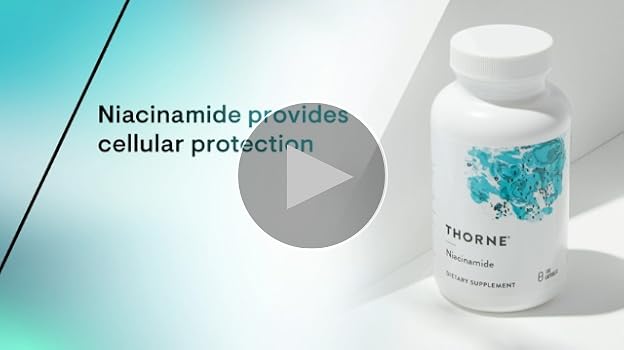
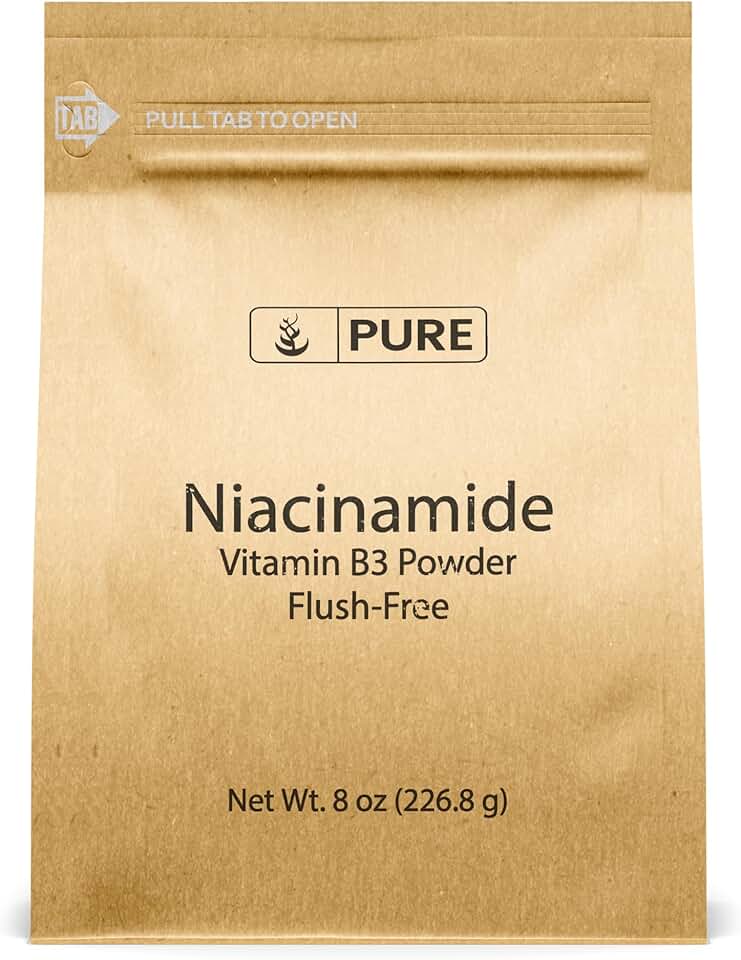
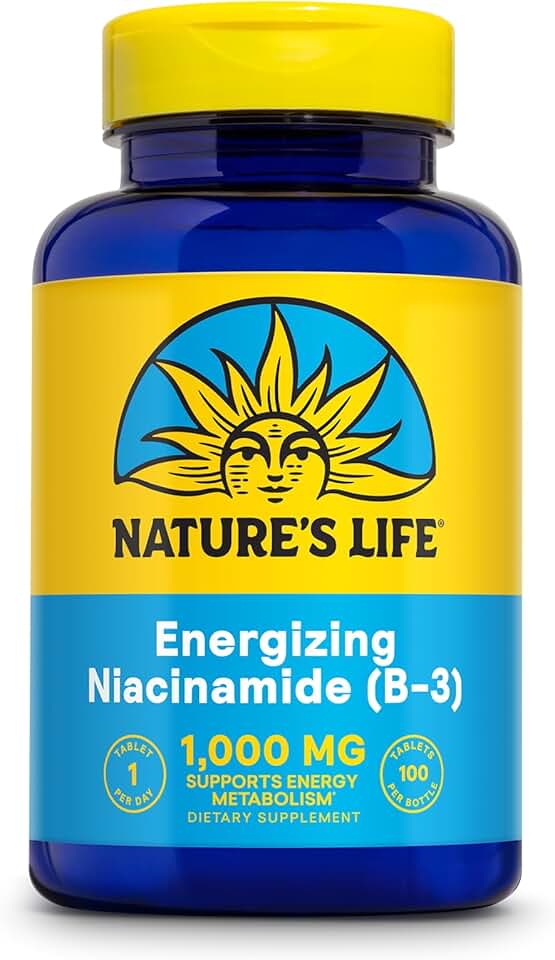
As an Amazon Associate, we may earn from qualifying purchases.
The brands listed above represent the current standard for quality in the niacinamide market. Thorne and Pure Encapsulations are frequently cited in clinical settings for their rigorous testing protocols, which minimize the risk of contaminants. Nature’s Way offers a more accessible entry point for consumers looking to integrate B3 into their routine without compromising on basic safety standards. These products reflect the broader trend toward verified, clean-label supplements in the 2026 health market.
Frequently asked questions about B3
What is the new vitamin for fatty liver?
Researchers have identified microRNA-93 as a primary genetic driver of fatty liver disease and discovered that niacin (vitamin B3) can effectively suppress it. In clinical studies, niacin treatment led to a sharp drop in miR-93 levels and increased SIRT1 activity, suggesting this widely available supplement could serve as a novel therapeutic option for metabolic liver conditions.
What is the downside of B3?
While niacin shows promise for metabolic health, high doses carry cardiovascular risks. A metabolite of vitamin B3 has been linked to an elevated risk of heart attack and stroke, likely due to inflammation within the arterial walls. These findings highlight the need for careful dosage management and medical supervision when using niacin as a therapeutic agent.
Is vitamin B3 safe for skin cancer prevention?
Evidence suggests niacinamide, a form of vitamin B3, may offer protective benefits for high-risk patients. Studies indicate that taking 500 mg of nicotinamide twice daily is associated with a 14% lower rate of new skin cancers, positioning it as a potential adjunctive strategy in dermatological care.

No comments yet. Be the first to share your thoughts!