
Sustainable investing in 2026: how we picked the top strategies
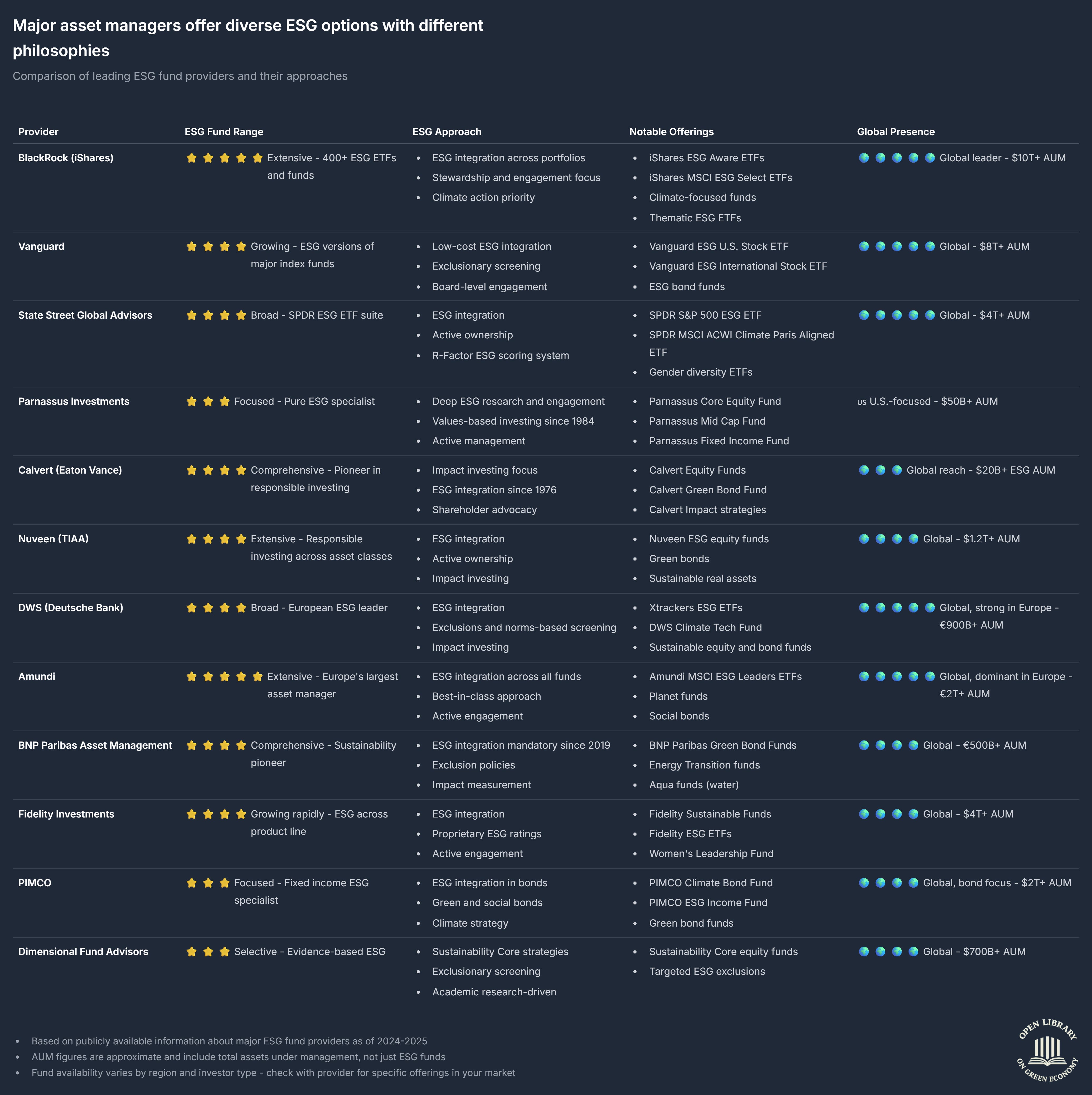
Sustainable investing in 2026 is shifting from broad thematic bets to targeted, data-driven strategies. According to Morgan Stanley's 2026 Sustainable Signals report, individual investor allocation to sustainable assets averaged 31%, reflecting a more selective approach despite growing positive sentiment.
We selected the five strategies below based on two criteria: clear material financial impact and verifiable ESG integration. We prioritized approaches backed by primary research from firms like Amundi and Morgan Stanley, focusing on climate adaptation, natural capital, and AI-driven asset analysis. This ensures the recommendations are practical for 2026's evolving regulatory and market landscape.
5 B3 Daily: Top 5 Sustainable Investment Strategies for 2026 Amid Global ESG Shifts
ESG regulations are tightening and capital is shifting, making 2026 a critical year for aligning portfolios with sustainable standards. This guide breaks down five concrete investment strategies that balance regulatory compliance with tangible returns, focusing on specific assets and verifiable metrics rather than abstract trends.
1. Low-cost ESG ETFs with verified carbon metrics
Trackers that strip out high-carbon emitters using audited data reduce tail risk. Look for funds citing Sustainalytics or MSCI ESG scores rather than vague self-certification. These instruments offer broad market exposure while aligning portfolios with decarbonization trends, ensuring your capital supports companies with transparent, verified environmental footprints rather than greenwashing claims.

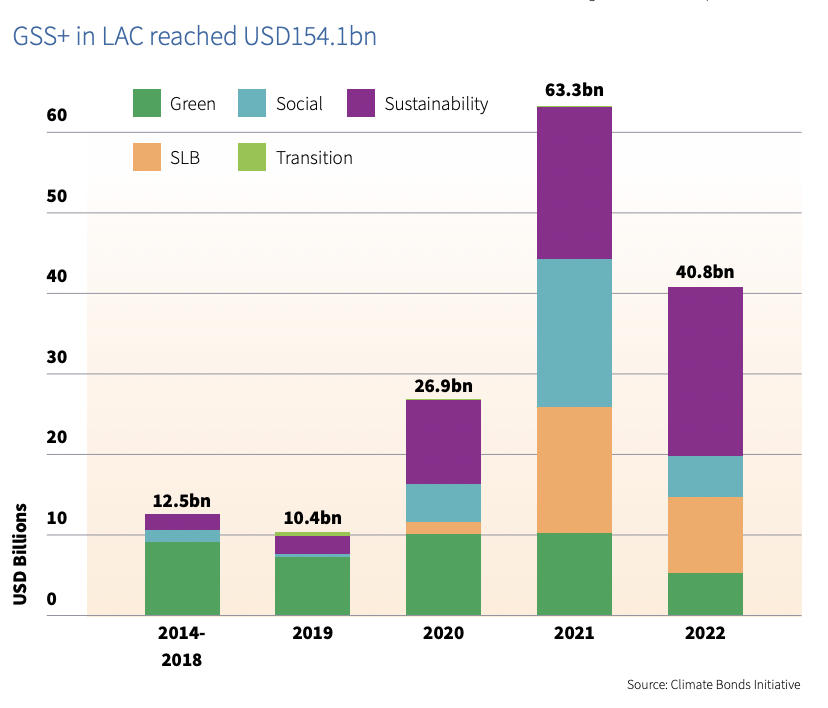
2. Green bond funds for stable fixed income exposure
These funds invest in debt issued specifically for environmental projects, offering predictable yields with lower volatility than equities. They provide a defensive anchor for portfolios, channeling capital into renewable infrastructure or sustainable agriculture. Investors gain exposure to the growing green finance market while maintaining regular income streams, balancing growth assets with stable, purpose-driven fixed income.
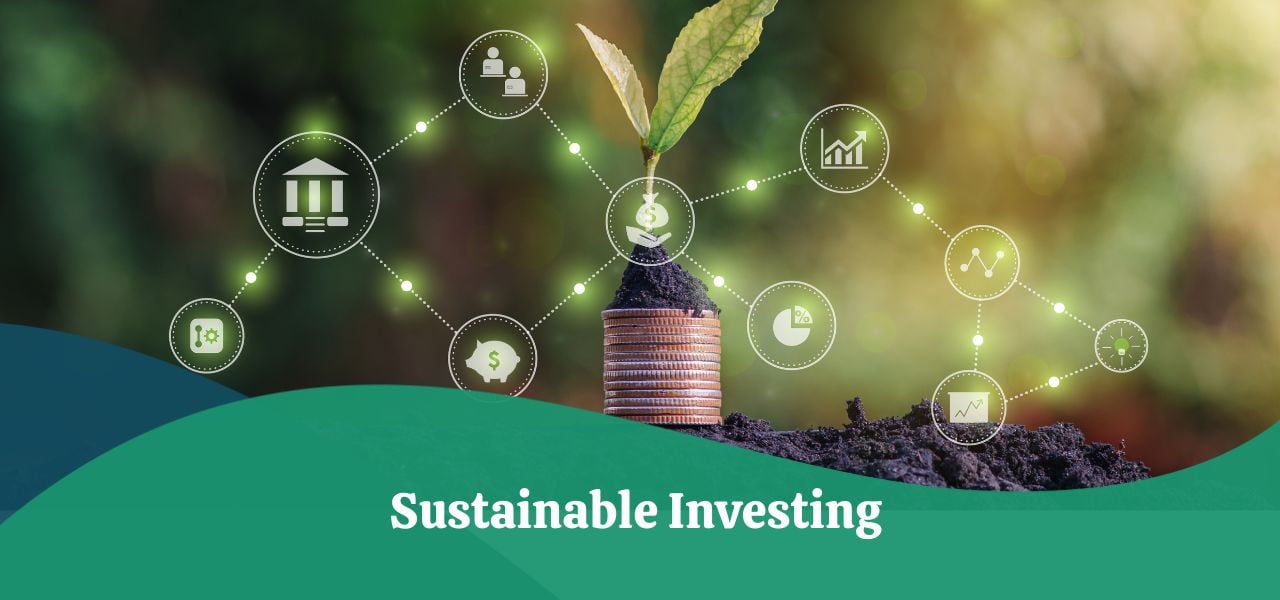
3. Renewable energy infrastructure trusts with dividend yield
Infrastructure trusts owning solar farms, wind parks, or transmission lines generate steady cash flow from long-term power purchase agreements. These assets offer inflation protection and consistent dividends, distinct from speculative tech stocks. They provide tangible exposure to the energy transition, allowing investors to profit from essential utility services with lower operational risk than pure-play renewable developers.

4. Water scarcity technology stocks with strong cash flow
Companies developing advanced filtration, desalination, or smart irrigation systems address critical resource shortages. These firms often possess proprietary technology and recurring revenue models from municipal or industrial contracts. Investing in water tech provides exposure to a non-cyclical demand driver, ensuring portfolio resilience against climate-induced resource constraints while benefiting from strong operational cash flows and essential service necessity.

5. Circular economy consumer goods leaders with low waste
Brands redesigning products for reuse, repair, or recycling capture value from waste reduction. These companies minimize raw material costs and appeal to eco-conscious consumers, driving loyalty. Investing in circular economy leaders means backing businesses that decouple growth from resource extraction, offering a unique blend of consumer staples stability and innovative sustainability practices that reduce long-term environmental liabilities.

Pick the right fit
Choosing a sustainable strategy requires matching your financial goals with the specific type of impact you want to measure. In 2026, allocation to sustainable investments averaged 31%, slightly down from 33% in 2025, even as positive sentiment grows. This shift suggests that investors are becoming more deliberate, moving away from broad ESG labels toward targeted approaches that align with personal values and market realities. Morgan Stanley’s latest data indicates that while enthusiasm remains high, individual investors are scrutinizing how these assets perform relative to traditional benchmarks.
To navigate this landscape, consider these five practical steps to identify the strategy that suits your portfolio.

Start by identifying what matters most to you. Are you focused on climate change, social equity, or corporate governance? Clarifying this priority helps you filter out strategies that don't align with your core values, ensuring your investment decisions feel authentic and purposeful.
Sustainable assets can behave differently than traditional investments, especially during market volatility. Assess your comfort level with potential fluctuations. Some green bonds offer stability, while renewable energy stocks may offer higher growth potential with increased risk. Understanding this balance is crucial for long-term peace of mind.
Look beyond marketing claims. Review historical performance data for the specific strategy or fund you are considering. Does it consistently meet its stated goals? A strong track record provides evidence that the strategy is not just theoretically sound but practically effective in real-world market conditions.
Fees can erode returns over time, especially in sustainable investing where research and verification costs may be higher. Compare expense ratios across similar products. Lower fees often mean more of your money stays invested, compounding your returns over the long term. Always read the fine print to understand all associated costs.
Don't put all your eggs in one basket. Diversify across sectors, geographies, and asset classes within your sustainable strategy. This approach helps mitigate risk and captures opportunities in different parts of the market. A diversified portfolio is more resilient to shocks and better positioned for steady growth.

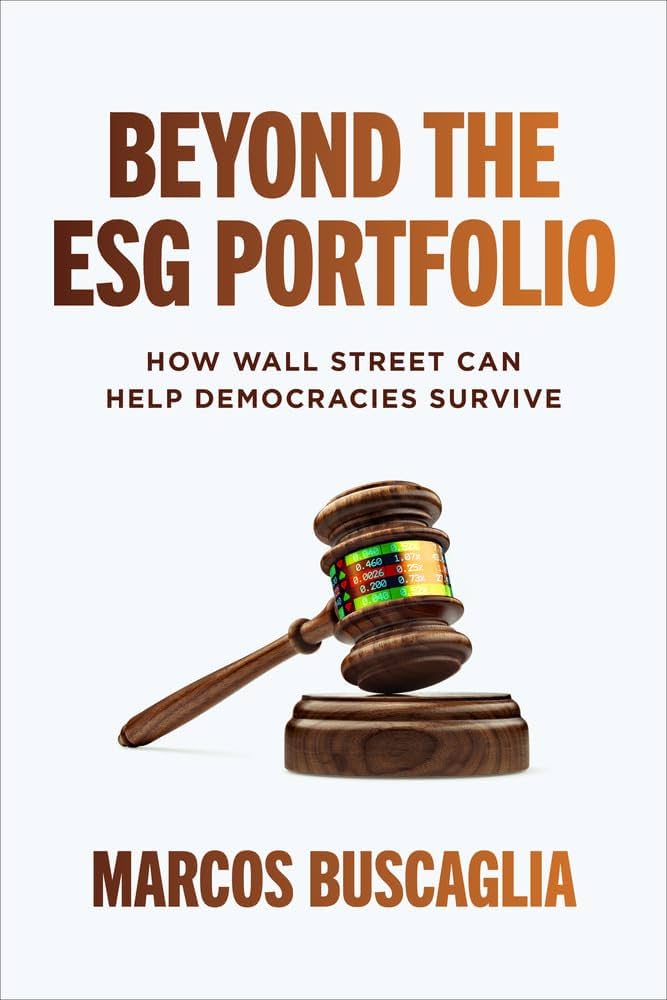

As an Amazon Associate, we may earn from qualifying purchases.
By following these steps, you can make informed decisions that align with both your financial goals and your values. The key is to stay informed, remain flexible, and regularly review your strategy to ensure it continues to meet your needs.

No comments yet. Be the first to share your thoughts!