

Budget fit for AI agents in B2B sales
Pricing for AI sales agents follows the same logic as buying a CRM: you get what you pay for, but the baseline has shifted. In 2026, most reputable platforms charge per active user or per seat, with tiers ranging from $30 to $150 per month. This model ensures that small teams aren’t locked into enterprise contracts, but it also means costs scale quickly as you add more reps.
When evaluating fit, look at the feature gates. Entry-level plans usually include basic email automation and lead scoring. Mid-tier plans add voice synthesis and meeting transcription. High-tier plans unlock full autonomous outreach and deep CRM integration. For a small B2B team, the mid-tier often provides the best balance of automation and control without the bloat of enterprise features you won’t use.
Consider the hidden costs of integration. If your team uses Salesforce or HubSpot, ensure the AI agent syncs cleanly. Poor integration leads to duplicate data and frustrated reps. A $50-per-user tool that requires manual data entry is more expensive than a $100 tool that automates the workflow. Always test the API connectivity before committing to an annual contract.


As an Amazon Associate, we may earn from qualifying purchases.
Shortlist real options
The market for B2B sales automation has shifted from simple email schedulers to autonomous agents capable of handling complex workflows. To choose the right tool, you need to compare how each platform handles lead generation, outreach personalization, and CRM integration.
The following comparison highlights four distinct approaches to AI-driven sales. Some tools focus heavily on hyper-personalized video outreach, while others prioritize data enrichment and intent scoring. Selecting the right agent depends on whether your team needs a full-stack automation suite or a specialized tool for specific stages of the funnel.
| Feature | Apollo.io | Clay | B2B Rocket | ZoomInfo | |
|---|---|---|---|---|---|
| Primary Strength | Database & Outreach | Data Enrichment | Autonomous Agents | Data Intelligence | |
| Data Source | Proprietary Database | Aggregator API | Proprietary + Web | Proprietary Database | |
| Outreach Type | Email & LinkedIn | Data-Driven Sequences | Fully Automated | Email & Phone | |
| Personalization | Template-Based | Dynamic & Real-Time | AI-Generated | Template-Based | |
| Best For | General Outreach | Complex Data Needs | Scale & Automation | Sales Intelligence |
These platforms serve different needs. Apollo.io is a strong choice for teams that want a single platform for both data and outreach. Clay excels when you need to enrich leads with non-traditional data points, such as recent funding events or tech stack changes. B2B Rocket is designed for companies that want to delegate the entire prospecting workflow to an AI agent. ZoomInfo remains the industry standard for verified contact data, though it often requires human-led execution.
When evaluating these options, look beyond the headline features. Check how the agent handles data privacy compliance and whether it integrates with your existing CRM without creating data silos. The best AI agent is the one that fits seamlessly into your current sales operations rather than replacing them entirely.
Inspect the Expensive Parts
AI agents promise to scale outreach, but they carry hidden costs that can drain your budget before they close a deal. The most expensive failures usually stem from poor data hygiene or rigid workflows that ignore human feedback loops. Treat your agent deployment like a high-stakes audit: check the inputs, test the logic, and monitor the drift.
Here is a practical checklist to inspect the expensive failure points before you scale your AI sales stack.
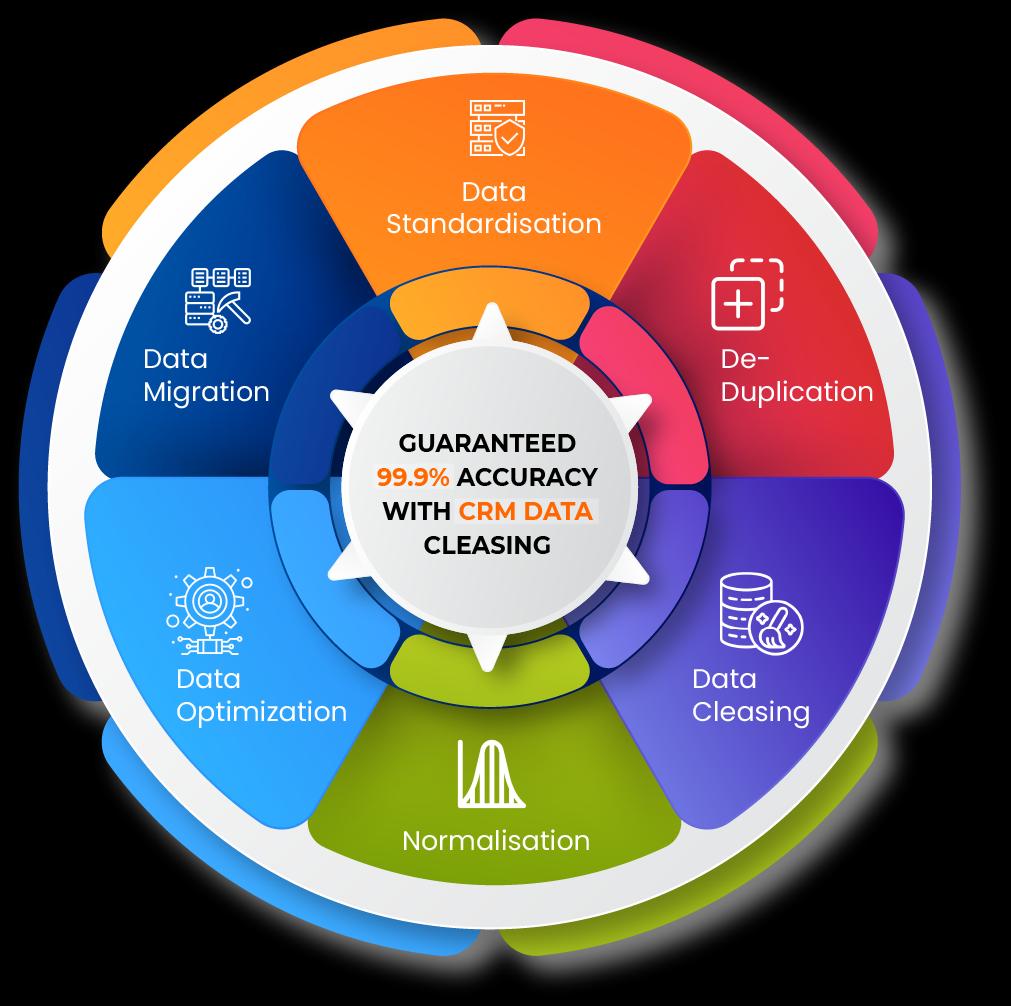
Garbage in, garbage out. If your CRM data is stale, your AI agent will waste credits on bounced emails or outdated contacts. Run a data quality audit on your lead sources. Ensure email verification is real-time, not batched. Check that company sizes and roles match current reality. A clean dataset costs less than a failed campaign.
AI agents struggle with complex, multi-step negotiations. Inspect where the agent hands off to a human rep. If the handoff is too early, you lose revenue. If it’s too late, you annoy the prospect. Define clear triggers: when does the agent stop writing and start scheduling? Test these transitions with dummy leads to ensure the context carries over smoothly.

AI models can drift over time, changing tone or ignoring new product updates. Set up a weekly review of generated emails. Look for repetitive phrasing or off-brand language. If the agent starts ignoring specific objections, it’s a sign the training data needs refreshing. Regular human review keeps the agent aligned with your sales strategy.
By focusing on these three areas, you avoid the most common pitfalls. Clean data, smooth handoffs, and active monitoring are your best defenses against wasted spend. Don’t let an AI agent become a black box that drains your budget silently.
The True Cost of AI Agents in 2026
A low monthly subscription for an AI sales agent is rarely the final price tag. The real expense comes from the hidden layers of integration, maintenance, and the operational shifts required to keep the system relevant. When you buy a tool that automates outreach, you are also buying the responsibility of managing its output.
Integration and Setup
The first major cost is connecting the agent to your existing CRM and data infrastructure. Unlike simple email tools, AI agents need clean, structured data to function without generating errors or compliance risks. If your CRM is messy, you will spend weeks cleaning data or hiring engineers to build custom connectors. This upfront effort is where many "cheap" solutions stall, requiring technical resources that stretch your budget beyond the initial license fee.
Maintenance and Oversight
AI agents are not set-and-forget. They require regular tuning to ensure they are not sending off-brand messages or misinterpreting customer intent. This means assigning internal staff to review logs, correct hallucinations, and update the agent’s knowledge base as your product offerings change. The cost here is labor: every hour your sales team spends managing the AI is an hour they are not selling. Without a dedicated operator, the agent’s quality degrades, leading to wasted ad spend and damaged lead relationships.
When Cheap Stops Being Cheap
A low-cost agent becomes expensive when it fails to scale or causes reputational damage. If the agent misses nuanced sales cues or sends repetitive emails, your open rates will drop, and your domain reputation may suffer. In these cases, the cost of lost deals and the time required to rebuild trust far outweighs the savings of a cheaper tool. The most economical choice is often a mid-tier solution with robust support and clear integration paths, rather than a bare-bones option that demands heavy manual intervention.


As an Amazon Associate, we may earn from qualifying purchases.

No comments yet. Be the first to share your thoughts!