
B3 Daily Market Snapshot
Brazil’s stock market moves in 2026 are defined by the interplay between global liquidity shifts and domestic political dynamics. The Ibovespa index serves as the primary barometer for these forces, reflecting investor sentiment toward emerging market risk. For traders tracking B3 daily, real-time data is not just a convenience but a necessity for navigating volatility.
Current market conditions require a close eye on currency fluctuations. The USD/BRL exchange rate directly impacts foreign investor returns, often amplifying or dampening the performance of local equities. A strengthening real can provide a tailwind for local companies with strong domestic revenue, while a weakening real may signal broader macroeconomic pressures or capital outflows.
To understand the immediate trajectory, we rely on provider-backed live widgets. These tools offer the most accurate, up-to-the-second pricing and charting data available, stripping away the noise of delayed or stale information. This approach ensures that decisions are based on the actual state of the market, not yesterday’s headlines.
What moves B3 daily
Brazil’s B3 daily performance is driven by a tight loop of commodity flows, interest rate decisions, and dollar strength. In 2026, the market remains sensitive to global risk sentiment, but local policy choices set the floor for equity valuations. When foreign capital shifts, B3 reacts first through the Brazilian real and then through sector-specific indices.
The Brazilian real acts as the primary transmission mechanism. A weakening dollar typically lifts B3 daily, especially in commodity-heavy segments like mining and agriculture. Conversely, a strong dollar pressures local exporters and widens the spread for foreign investors. Traders watch the Central Bank of Brazil’s (BCB) interest rate cycle closely, as higher Selic rates attract carry trades but dampen domestic consumption stocks.
Commodity prices provide the second major lever. Iron ore, soy, and crude oil dictate earnings for the index’s largest constituents. When global demand softens, B3 daily often underperforms broader emerging market benchmarks. However, supply constraints or geopolitical disruptions can reverse this quickly, creating short-term volatility that active traders exploit.
Sector Rotation and Opportunities
The B3 daily market structure shifts rapidly as capital rotates between defensive yields and cyclical growth. In 2026, investors must distinguish between temporary noise and genuine sector momentum. Tracking these movements requires real-time data, not lagging reports.
Financials and Energy remain the primary drivers of index weight, but their correlation to global rates is tightening. Materials offer a counter-cyclical hedge when commodity cycles turn, though volatility remains high. Understanding which sector leads the charge is essential for capital allocation.
The following comparison highlights year-to-date performance across the three dominant B3 sectors. This data reflects current institutional positioning and retail flow patterns.
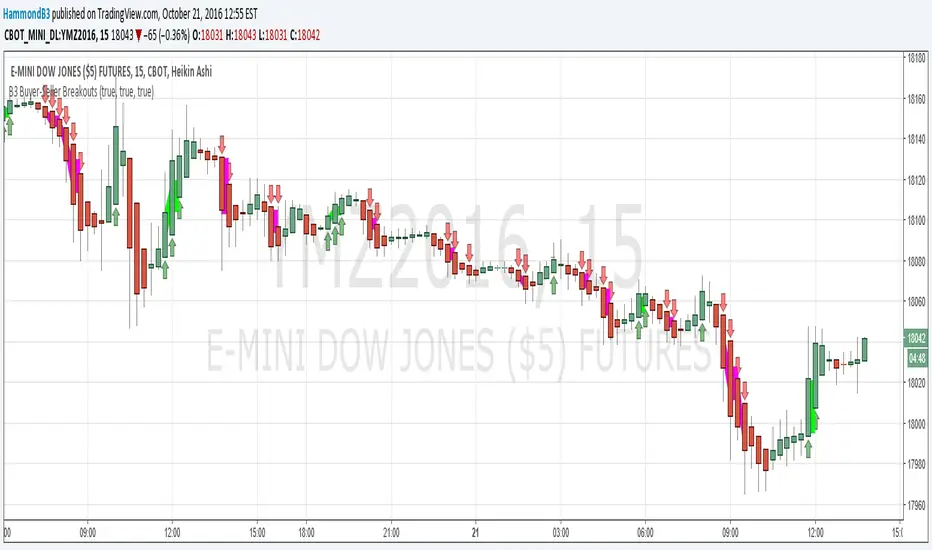
When the Financials sector pulls back, capital often flows into Energy as a yield substitute. This rotation is visible in volume spikes on the B3 daily chart. Use provider-backed tools to monitor these shifts in real time.
Risks and volatility factors
Tracking B3 daily movements requires monitoring two distinct threat vectors: domestic fiscal discipline and external global headwinds. The Brazilian market operates in a high-stakes environment where policy shifts can trigger immediate repricing of assets.
Fiscal policy remains the primary internal risk. Investors must watch for deviations from primary surplus targets or unexpected increases in public debt issuance. Any signal that fiscal consolidation is stalling tends to widen credit spreads and pressure the real, creating volatility for B3 daily traders.
Global headwinds add another layer of uncertainty. Rising US Treasury yields often draw capital away from emerging markets, while shifts in commodity prices directly impact Brazil’s terms of trade. When global risk sentiment sours, B3 daily liquidity can dry up quickly, amplifying downside moves.
B3 daily trading: market mechanics and data
This section addresses common questions regarding the B3 daily trading session, settlement cycles, and index composition. For real-time data, refer to the live widgets below.

No comments yet. Be the first to share your thoughts!