
In the ever-expanding sea of Steam roguelikes, few titles manage to carve out a niche as distinctive as Million Depth. Released in November 2025 by developer Cyber Space Biotope and publisher Playism, this indie roguelike has quietly surged past 589 reviews by early 2026, securing a Very Positive 94% rating. What starts as a seemingly familiar dive into procedurally generated depths evolves into a mind-bending exploration of alternate timelines and realities, making it a standout among Steam roguelike hidden gems. For gamers hunting indie roguelikes 2026 has to offer, especially those tied to innovative platforms like basement. fun, Million Depth demands attention.
The game's premise hooks you immediately: pilot a submarine through million-depth oceans in a dystopian world, battling enemies and uncovering layers of narrative. But Cyber Space Biotope subverts expectations masterfully. Runs aren't just about survival and loot; they branch into parallel worlds where choices ripple across timelines. This mechanic adds replayability without relying on pure randomness, a breath of fresh air in the roguelike genre. Critics at Siliconera called it "genius" for pairing roguelike structure with timeline twists, though they noted occasional polish issues like clunky UI.
Unraveling Alternate Realities in Every Run
At its core, Million Depth thrives on subversion. You expect a standard roguelike descent - permadeath, upgrades, boss fights. Instead, the game revels in disarray, flipping tropes on their head. Noisy Pixel praised its atmospheric storytelling, blending emotion with strategy RPG elements. The dystopian tale unfolds gradually, rewarding patient players who piece together lore from fragmented memories across runs. It's not fast-paced action; progression feels deliberate, almost meditative, which suits solo dives into basement. fun-style experiments.

Player reviews echo this sentiment. One Steam user rated it 8/10, lauding the unique combat and interesting story while acknowledging slow progression. Combat blends action and strategy seamlessly - no obtrusive menus disrupt the flow, as WayTooManyGames observed. You chain attacks with timeline-shifting abilities, turning potential wipes into clever comebacks. Yet, this innovation demands investment; newcomers might stumble without stronger tutorials, a common critique.

Clever Combat Systems Redefining Roguelike Depth
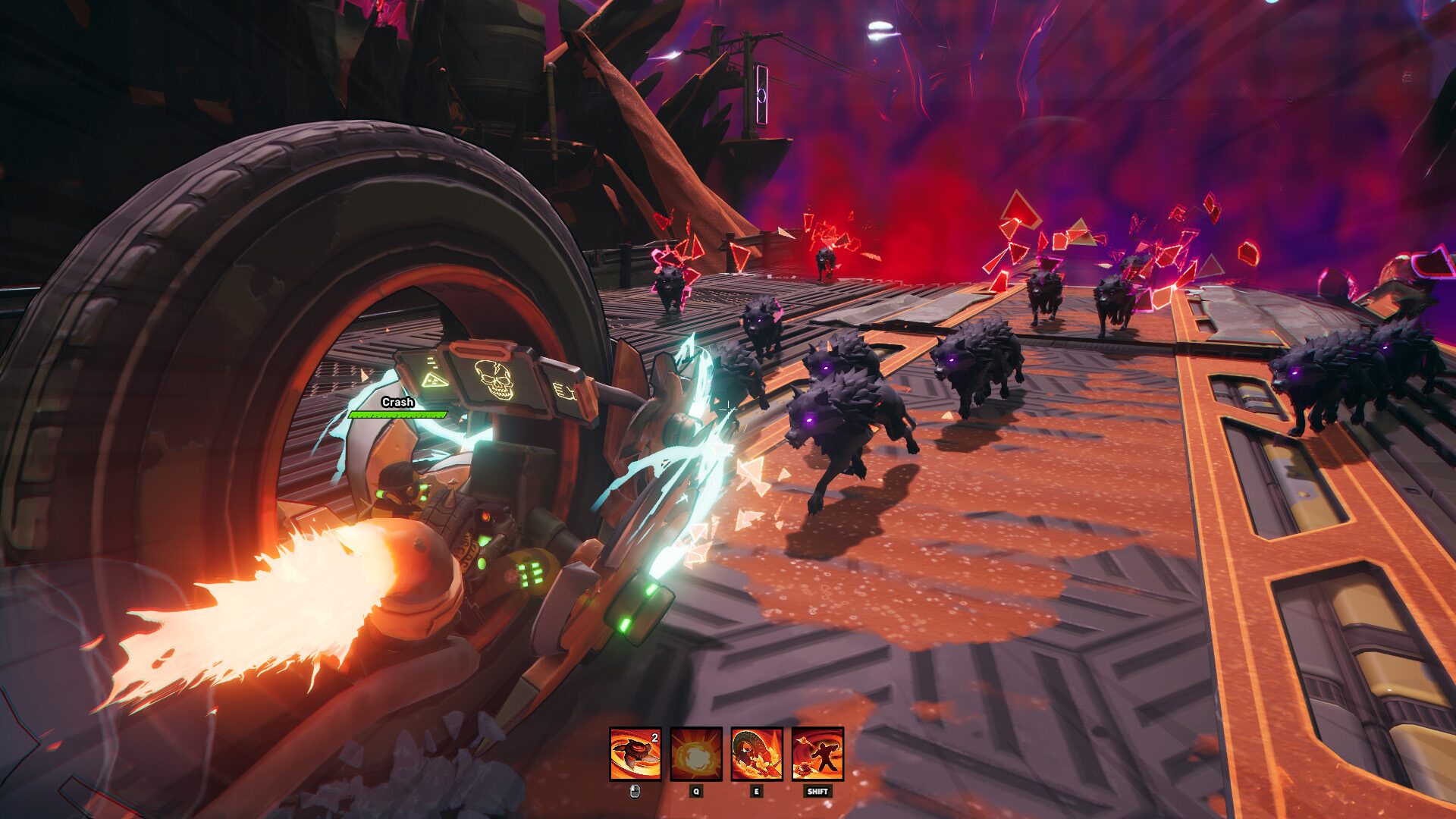
Million Depth's combat is where it truly shines, earning raves from Metacritic critics who dubbed it a roguelike that "plays by none of the rules. " Picture fluid submarine maneuvers dodging enemy swarms, then activating reality-warping skills to rewind mistakes or summon echoes from other timelines. It's cerebral yet visceral, with each weapon and upgrade feeling purposeful. Irrational Passions highlighted this as a "clever race to the bottom, " where depth yields not just power but narrative revelations.
Balancing this praise, some runs expose rough edges. UI elements can feel dated, and progression grinds if you're not optimizing builds. Raijin. GG's aggregation of 537 reviews at 94.6% positive underscores broad appeal, but the jump to 589 by February 2026 shows momentum building. For Million Depth review seekers, it's clear: flaws exist, but they pale against the highs. Hardcore roguelike fans will appreciate how it challenges conventions, much like basement. fun's experimental ethos.
Rising Steam Metrics Signal a Breakout Indie Hit
As reviews climb toward 600, Million Depth cements its status among basement. fun roguelikes. From 552 at 93% positive to 589 at 94%, the trajectory is upward. Community hubs buzz with discussions on optimal timeline strategies and hidden endings. This isn't hype-driven; it's organic growth from word-of-mouth among indie enthusiasts. Playism's curation under their franchise banner helps, positioning it alongside other thoughtful titles.
SteamDB metrics reveal steady concurrent player counts, often spiking on weekends as word spreads in roguelike Discords and Reddit threads. This grassroots momentum underscores why Million Depth qualifies as one of the top Steam roguelike hidden gems, thriving without massive marketing budgets. Playism's track record with experimental indies amplifies its visibility, drawing in players who crave substance over flash.
Million Depth Review Scores from Key Sources
| Source | Score | Reviews | Notes |
|---|---|---|---|
| Steam | 94% | 589 | Very Positive |
| Raijin.GG | 94.6% | 537 | Very Positive (Steam aggregate) |
| Noisy Pixel | - | - | Praised innovation and emotional depth |
| Siliconera | - | - | Genius timelines, notes some polish issues |
| WayTooManyGames | - | - | Strong dystopian story |
| Metacritic | - | - | Clever combat, engaging story |
Mastering Timelines: Strategies for Deeper Runs
Success in Million Depth hinges on timeline mastery, a layer that elevates it beyond typical Million Depth roguelike fare. Early runs teach you to track reality fractures - subtle visual cues like flickering depths signal shifts. Prioritize upgrades that enhance echo summons; they let you pull allies from parallel paths, turning solo dives into orchestrated assaults. I found chaining rewind abilities with area blasts dismantled boss patterns that seemed invincible at first. It's this tactical depth that hooks strategists, echoing the puzzle-like combat in games like Slay the Spire but with fluid action.
Yet balance tempers enthusiasm. Slow progression means grinding for meta-progression unlocks, which can frustrate if you're chasing quick highs. Tutorials skim basics, leaving timeline nuances to trial-and-error. Siliconera's review nailed this: genius concept, uneven execution. Still, once it clicks, the satisfaction rivals any 2026 indie release. For indie roguelike 2026 enthusiasts, experimenting with submarine loadouts becomes addictive, each run peeling back dystopian lore fragments.
Community and Longevity: Built for Replay
The Steam community hub pulses with build guides and theorycrafting, from optimal weapon synergies to secret endings unlocked via specific timeline chains. Players share screenshots of 1-million-depth clears, fostering a sense of shared discovery. This mirrors basement. fun's community-driven ethos, where obscure titles gain cult followings through player passion. At 94% positive, detractors are outliers griping about UI clutter or repetitive enemy waves later on, but positives dominate with comments on emotional payoffs in the narrative.
Compared to flashier roguelikes like Hades 2 or Balatro, Million Depth trades polish for originality. It lacks bombast but delivers quiet brilliance - a submarine's lonely hum underscoring timeline regrets feels profoundly human. Raijin. GG's 94.6% score from hundreds of reviews validates this niche appeal. As it approaches 600 reviews, expect developer patches addressing feedback; Cyber Space Biotope has engaged actively on forums.
Why Dive into This Hidden Gem Now
In a year packed with sequels and blockbusters, Million Depth stands apart by subverting roguelike norms without gimmicks. Its dystopian ocean hides not just enemies but philosophical queries on choice and consequence, woven through every permadeath. Hardcore fans will grind for those elusive perfect runs; casual divers get atmospheric bites. Flaws like dated visuals fade against innovative highs, much like early Binding of Isaac builds nostalgia through imperfection.
For basement. fun explorers seeking basement. fun roguelikes, this is prime territory. Organic growth to nearly 600 reviews signals staying power, not fleeting hype. Grab it during Steam sales if progression pace daunts you, but know the full dive rewards patience. Million Depth proves indies can redefine genres quietly, one timeline at a time. Players ready to rethink roguelikes should submerge now - the depths await.





No comments yet. Be the first to share your thoughts!